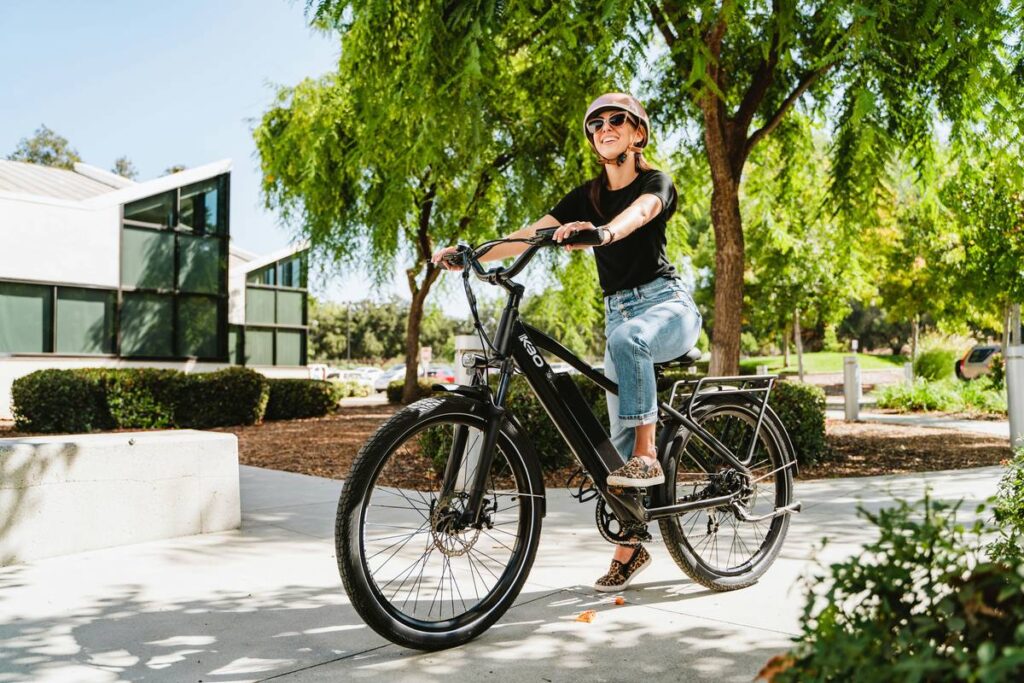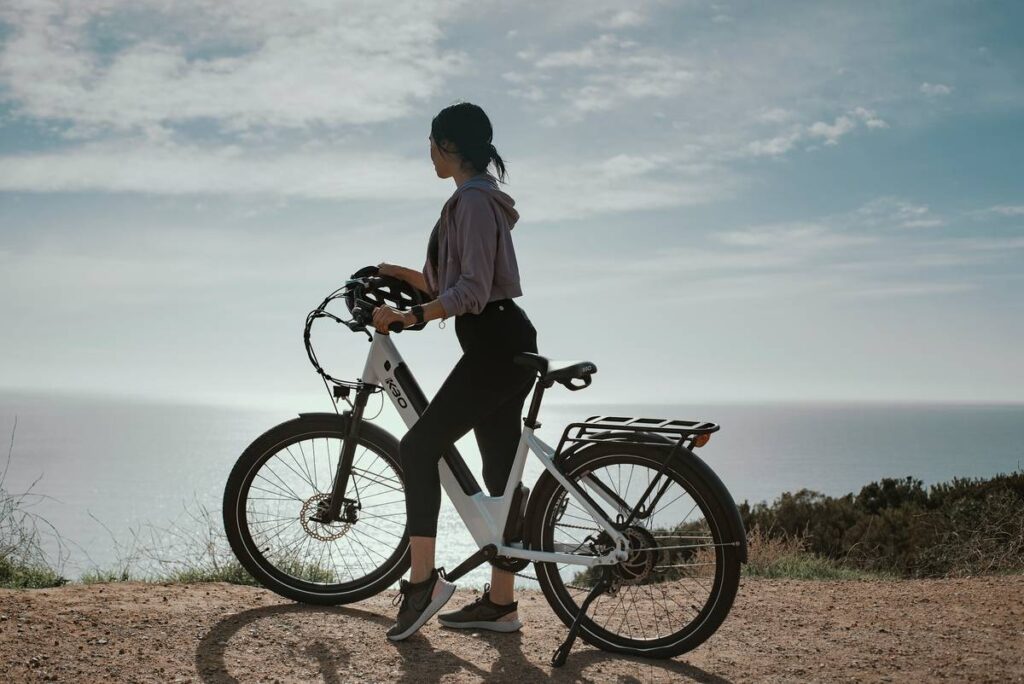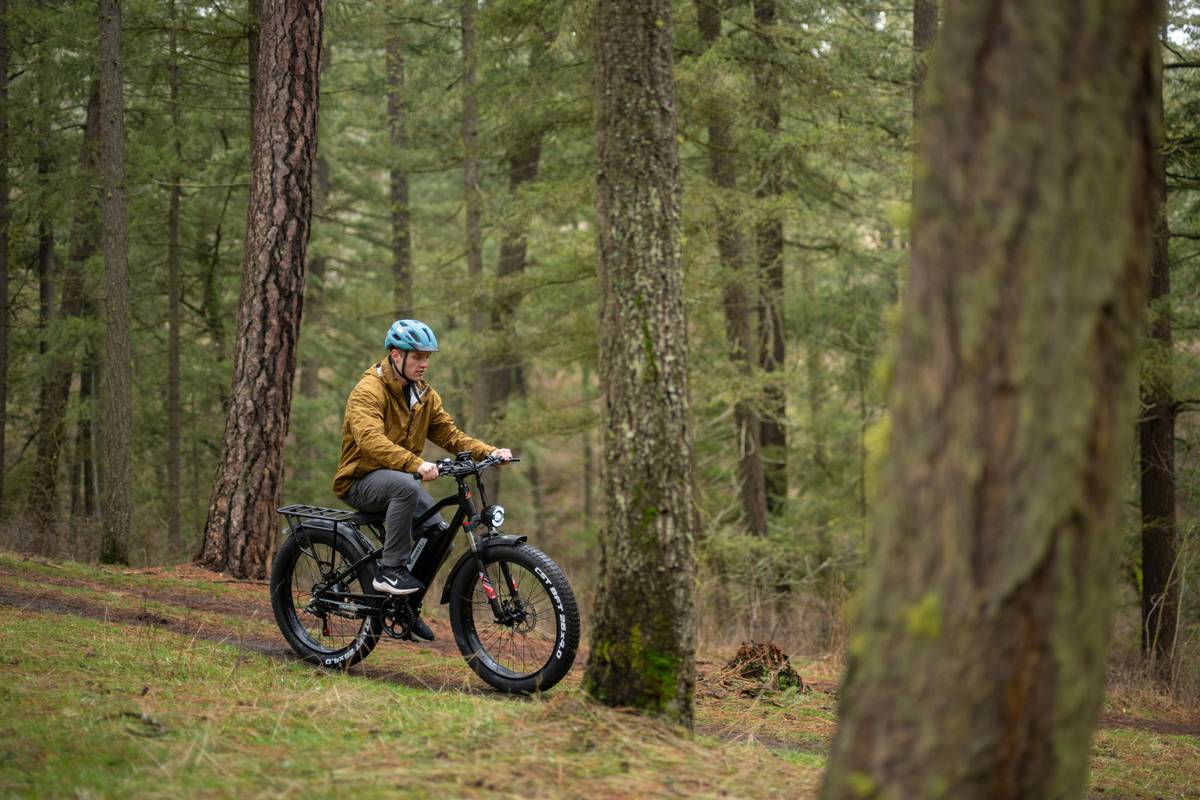
Ever pedaled halfway up a steep trail only to realize your ebike battery died—and you’re stuck pushing 50 pounds of metal uphill in the rain? Yeah, I’ve been there. A hill ebike adventure should feel exhilarating, not exhausting. With electric mountain biking exploding in popularity—PeopleForBikes reports a 240% surge in ebike sales since 2019—it’s easy to assume any ebike can conquer any slope. But not all routes, bikes, or riders are created equal. In this guide, we’ll walk you through how to plan a safe, thrilling, and unforgettable hill ebike adventure without burning out (literally or figuratively). Whether you’re eyeing the Cascades near Bend or testing trails closer to home, these seven strategies will keep you rolling smoothly.
Table of Contents
- Why Hill Ebike Adventures Demand Smart Planning
- Your Step-by-Step Guide to a Successful Ride
- Essential Tips for Hill Ebike Safety and Enjoyment
- Real-World Success Stories from the Trails
- Frequently Asked Questions
Key Takeaways
- Always check elevation gain, trail surface, and battery range before departure.
- Use pedal-assist wisely—don’t max it out on climbs; conserve power for the return.
- Wear full safety gear, including gloves and a certified helmet.
- Book local guided tours if you’re unfamiliar with terrain; they often include route knowledge and mechanical support.
- Verify local regulations—some parks restrict Class 2 or Class 3 ebikes.
Why Hill Ebike Adventures Demand Smart Planning
A hill ebike adventure isn’t just a scenic joyride—it’s a logistical puzzle wrapped in adrenaline. Mountain trails near Central Oregon, for instance, feature loose scree, sudden drop-offs, and microclimates that shift from sun to sleet in minutes. Without proper prep, what starts as a “quick loop” can become a rescue scenario. According to the National Park Service, improper ebike use on rugged terrain is a leading cause of preventable trail incidents.
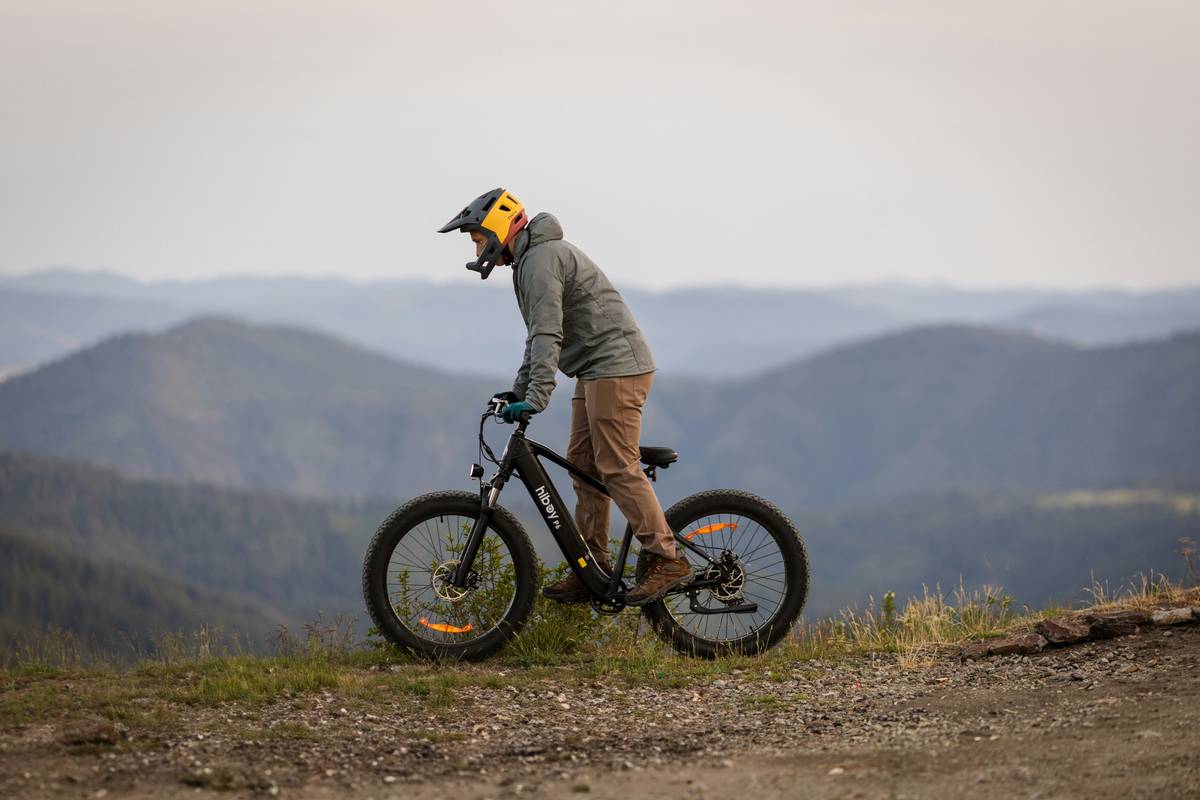
I learned this the hard way during my first solo ride near Mount Bachelor. Confident in my mid-range ebike, I ignored the trail’s 1,800-foot elevation gain warning. Halfway up, my battery blinked red. No cell service. Ten miles from the nearest road. Lesson? Respect the hills—and your hardware.
Your Step-by-Step Guide to a Successful Ride
1. Research Your Route Thoroughly
Use apps like Trailforks or MTB Project to verify trail difficulty, surface type, and permitted ebike classes. Look for user reviews mentioning “steep climbs” or “technical descents.”
2. Test Battery Range Under Load
Manufacturer claims often assume flat terrain. Simulate hill conditions: fully charge your bike, then do a short local climb with rider weight and gear. Note real-world range loss—many lose 30–40% on sustained grades.
3. Pack Smart Essentials
Beyond water and snacks, carry a multi-tool, tire plug kit, spare tube, and a lightweight emergency blanket. Cold mountain air drains batteries faster—store your spare power bank close to your body.
4. Book Local Support If Needed
If you’re staying nearby, consider pairing your trip with a comfortable base. We welcome riders at Deschutes Motel, where our team helps guests coordinate rentals and shuttle services.
Essential Tips for Hill Ebike Safety and Enjoyment
- Never ride alone on remote trails. Use a buddy system or share your GPS route with someone.
- Shift gears early on climbs. Staying in a high gear strains your motor and drains the battery faster.
- Brake with both hands, always. Front-wheel lockup on loose descents = endo city.
- Ignore “terrible tip” advice like “just crank max assist all the way up.” That’s how you strand yourself at mile 8 with zero juice left.
Real-World Success Stories from the Trails
Last summer, two guests from Portland booked a three-night stay with us and signed up for a guided hill ebike adventure through the Deschutes National Forest. Using Class 1 pedal-assist bikes with 750Wh batteries, they tackled a 12-mile loop featuring 2,100 feet of climbing. Their guide—a certified IMBA instructor—taught them torque modulation techniques that conserved 22% more battery versus their previous attempts. They returned grinning, muddy, and already planning next year’s trip. That’s the magic when preparation meets passion.
Frequently Asked Questions
What’s the best time of year for a hill ebike adventure in Central Oregon?
Late spring through early fall offers stable weather and dry trails. July and August provide long daylight hours, but book early—trail congestion spikes during peak season.
Do I need a special license to ride an ebike on mountain trails?
No federal license is required, but some state parks require registration for Class 3 ebikes (those with throttle-only mode over 20 mph). Always check local land manager rules.
How heavy should my ebike be for steep climbs?
Aim for under 55 lbs. Heavier bikes increase fatigue during technical sections or if you need to lift/carry the bike. Carbon frames help but cost more.
Can I rent ebikes near Bend for a hill ebike adventure?
Yes! Several outfitters offer full-suspension mountain ebikes with trail-specific guidance. Just confirm they allow off-pavement use.
Are helmets mandatory?
While not always legally required for adults, every reputable tour operator and park recommends—or mandates—CPSC-certified helmets. Your brain isn’t replaceable; your battery is.
What should I do if my ebike fails mid-trail?
Stay calm. Most modern ebikes still function as regular bikes without power. Conserve phone battery, use offline maps, and head toward the nearest exit point. If staying at Deschutes Motel, call us—we’ve helped stranded riders before.
A hill ebike adventure blends human grit with electric ease—but only if you respect the mountains, your machine, and the margins for error. Don’t gamble with gear or guesswork. Plan precisely, pack thoughtfully, and pedal with purpose. Ready to roll? Reach out to us—we’ll help you launch your next epic ride from a cozy, reliable basecamp. And remember: the hill doesn’t care how fancy your bike is. It only cares if you’re ready.