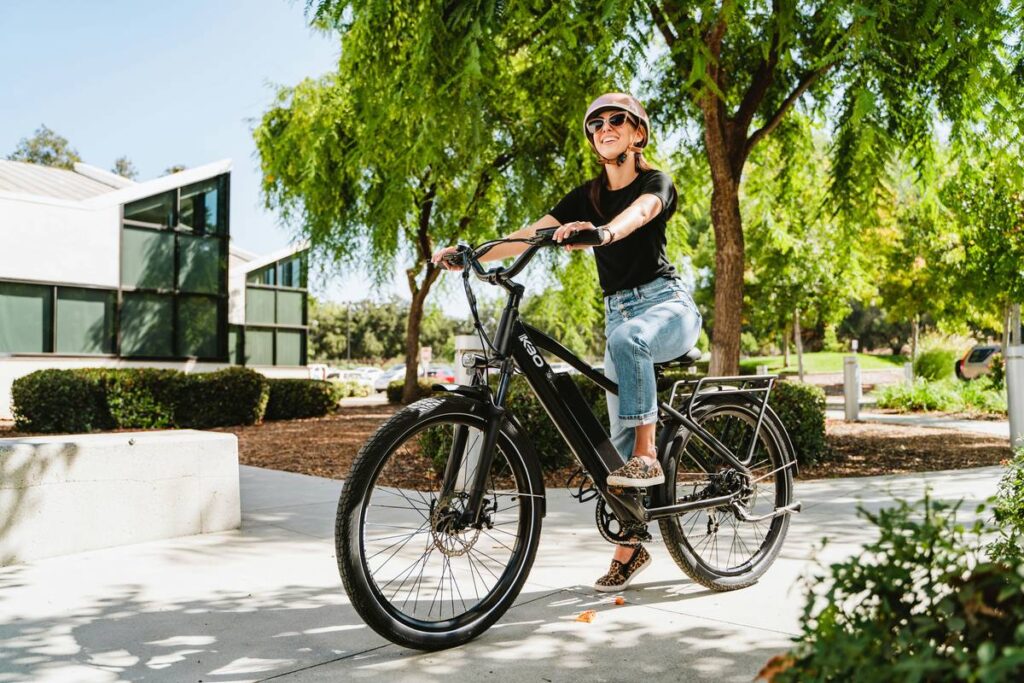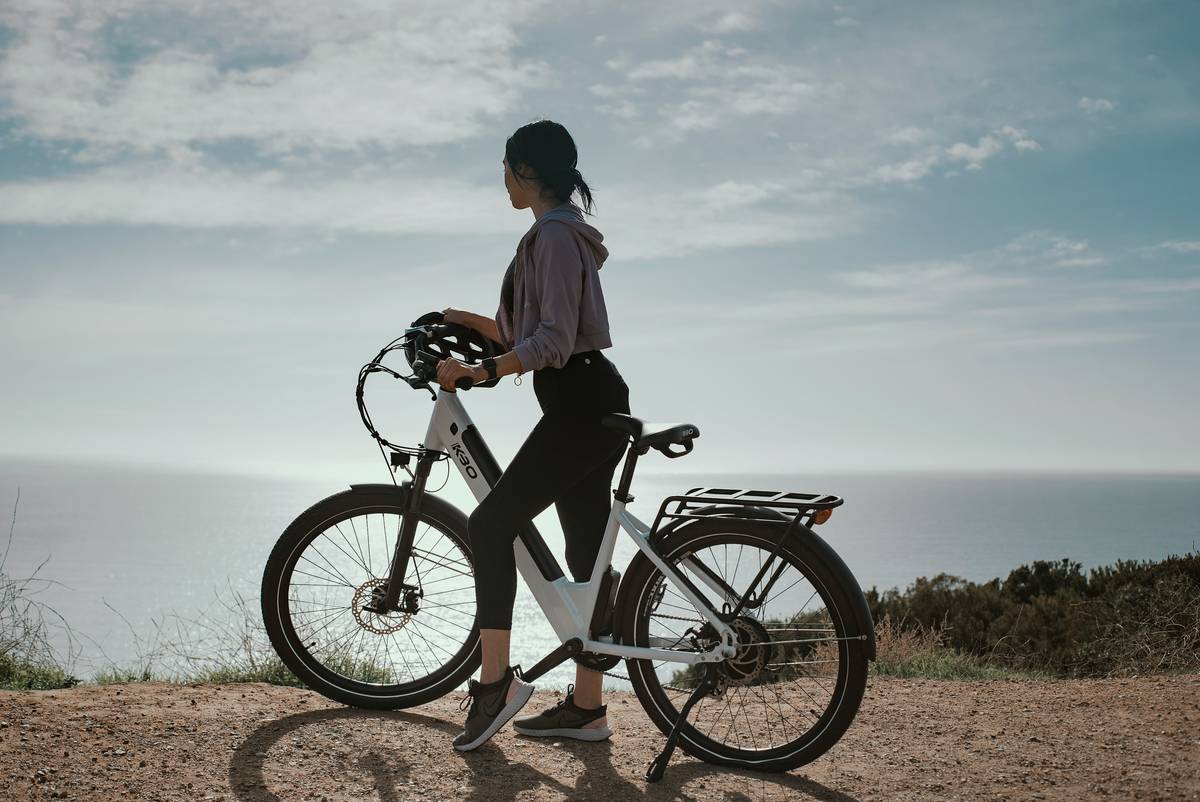
If your legs burn out halfway up the trail—and you’re still miles from the summit—you’re not training wrong. You’re using obsolete tools. Traditional cycling prep ignores a brutal truth: mountain terrain punishes pure pedal power. But what if you could simulate real-world ascents without wrecking your knees or wasting weekends? Enter ebike-powered Hill Climb Training—engineered for endurance, not ego.
Why Conventional Hill Climb Training Fails in Real Mountains
Most riders drill steep grades on road bikes or stationary trainers. That builds quad strength—but zero trail intelligence. Mountain gradients shift. Surfaces crackle with loose scree, roots, switchbacks. Your cadence fractures. Balance wobbles.
And fatigue isn’t just physical—it’s mental. One failed summit attempt erodes confidence faster than erosion carves canyons. You need adaptive resistance that mirrors actual climbs—not static gym logic.
Hill Climb Training Reimagined: A Step-by-Step Ebike Protocol
Forget grinding endlessly uphill. Smart Hill Climb Training uses pedal-assist ebikes to *extend* your time in the pain zone—not avoid it.
Phase 1: Baseline Assessment Ride
Ride a moderate local climb (5–8% grade) with assist level 1. Record heart rate, speed, and perceived exertion every 2 minutes. This isn’t about speed—it’s about identifying your aerobic tipping point.
Phase 2: Adaptive Resistance Intervals
Use assist levels strategically: Level 3 for recovery legs, Level 0 for 90-second “surge” intervals mid-ascent. This mimics real-world conditions where momentum matters more than raw wattage.
Phase 3: Technical Descent Integration
True mountain fitness includes downhill control. After each climb, descend without assist—focusing on body position, braking rhythm, and corner line selection. Fatigue alters handling; train it deliberately.
| Method | Avg. Weekly Time | Knee Stress Risk | Real-World Transfer |
|---|---|---|---|
| Traditional Road Intervals | 6–8 hours | High | Low |
| Gym Leg Press + Spin Class | 5–7 hours | Medium | Very Low |
| Ebike Hill Climb Training | 3–4 hours | Low | High |

The Industry Secret: Assist Levels Are Your Coach—in Disguise
Most tour guides won’t admit this: they *dial down* ebike assist during client warm-ups—not to conserve battery, but to force gradual neuromuscular adaptation. Here’s the reality: assist level 2 at 7% grade creates identical muscle recruitment to unassisted climbing at 4%. But you cover twice the vertical gain. The math is simple—more reps at threshold = faster acclimatization. Yet operators sell “pure ride” myths to justify premium pricing. Don’t fall for it. Your quads don’t care about purity—they care about repeatable output.

Frequently Asked Questions
Can Hill Climb Training on an ebike really build real climbing strength?
Yes—when used correctly. By modulating assist, you increase time-at-intensity without joint overload. Strength comes from sustained effort, not suffering.
How often should I do Hill Climb Training per week?
Two sessions. One long adaptive climb (60+ mins), one short interval-focused ascent (30 mins). Recovery matters as much as stress.
Do I need a special ebike for mountain Hill Climb Training?
Not necessarily—but mid-drive motors with torque sensors (like Bosch or Shimano STEPS) respond better to cadence shifts on steep, technical pitches.