If you’ve ever pedaled uphill for what felt like forever—only to realize your e-bike battery died halfway through—you know the agony of poor planning on mountain ebike tours. At Deschutes Motel, nestled near some of Central Oregon’s most thrilling trails, we’ve seen riders turn dream rides into grueling hikes. That’s why mastering the right mountain bike boost strategy isn’t just helpful—it’s essential. In this guide, we’ll walk you through real-world tactics, insider pitfalls, and science-backed best practices so your next ride stays powered, safe, and unforgettable.
Table of Contents
- Why Mountain Bike Boost Matters in Modern Ebike Tourism
- Step-by-Step Guide to Maximizing Your E-Bike’s Power on Trails
- 5 Best Practices for Reliable Performance on Steep Terrain
- Real-World Results: How Proper Boost Settings Transformed a Group Tour
- Frequently Asked Questions About Mountain Ebike Tours
Key Takeaways
- Use pedal-assist level 2–3 on sustained climbs to balance power and battery life.
- Never ignore your battery’s state-of-charge display—below 20% is risky on remote trails.
- Sudden throttle spikes drain batteries faster than steady assist; smooth pedaling wins.
- Always test your ebike’s motor response before committing to steep descents.
- Pack a portable charger—many guides swear by them after one too many “walk-of-shame” incidents.
Why Mountain Bike Boost Matters in Modern Ebike Tourism
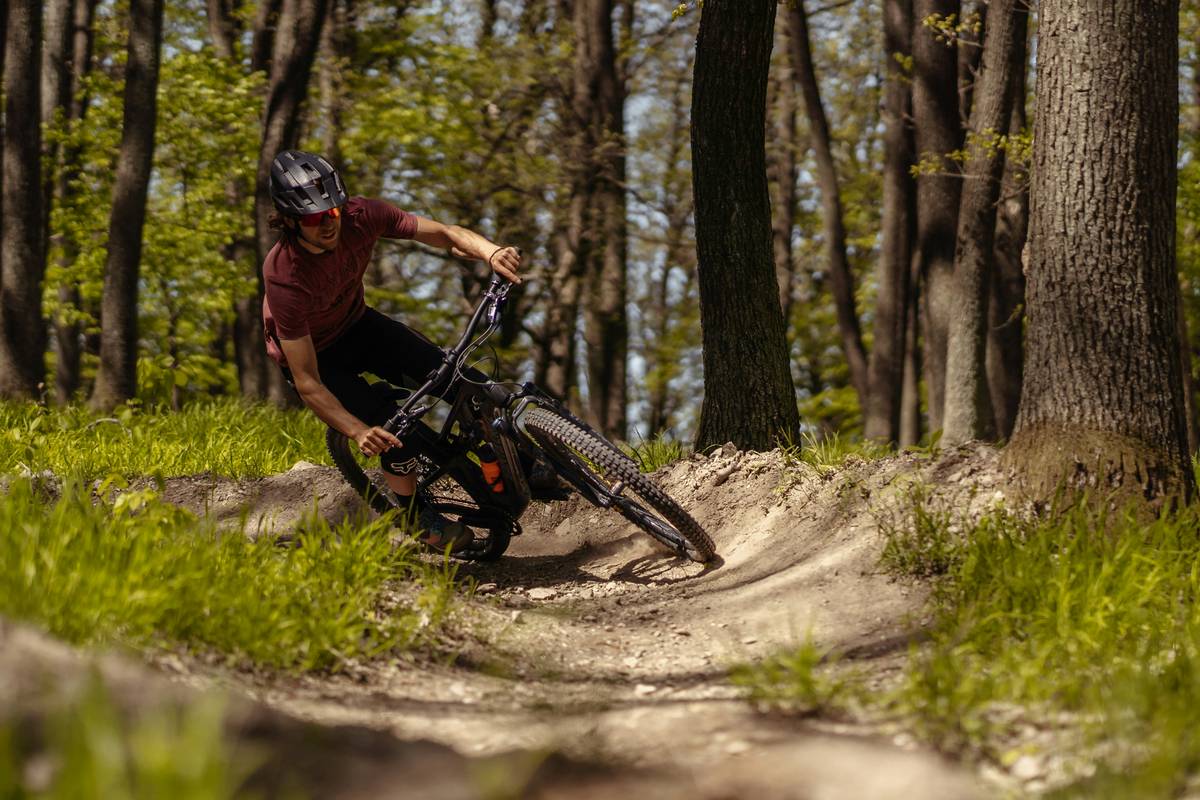
Ebikes aren’t just for commuters—they’re revolutionizing adventure tourism. According to a 2023 National Park Service report, electric mountain bike (eMTB) rentals surged by 68% across federal recreation sites, including nearby Deschutes National Forest trails. But with great power comes great responsibility: improper use of mountain bike boost can leave you stranded miles from the nearest road.
I learned this the hard way during my first guided tour up Phil’s Trail Complex. Confident in my gear, I cranked the assist to max on a false-flat climb, only to watch my battery hit 5% before the descent. My group waited while I limped back—on foot—for 45 minutes. It wasn’t just embarrassing; it risked missing our shuttle window back to our base at Deschutes Motel.
The truth? Most newcomers overestimate their ebike’s range or misuse boost modes, turning scenic rides into survival missions.
Step-by-Step Guide to Maximizing Your E-Bike’s Power on Trails
Check Battery Health Before You Roll
Cold temperatures reduce lithium-ion capacity by up to 30%. If it’s below 50°F, pre-warm your battery indoors and avoid full-throttle starts.
Map Your Route with Elevation in Mind
Use apps like Trailforks or MTB Project to identify sustained climbs. Allocate 60% of your battery for ascents—gravity won’t help you there.
Master Assist-Level Transitions
Shift down a level before technical switchbacks. High torque on loose terrain can cause wheel spin or loss of control. Save max mountain bike boost for short, unavoidable grunt sections.
Monitor Real-Time Metrics
Many modern displays show wattage output and estimated range. If your consumption exceeds 500Wh per hour, ease off—your battery may not last.
5 Best Practices for Reliable Performance on Steep Terrain
- Charge overnight, not day-of: A full 8-hour charge ensures cell balancing, unlike quick top-offs.
- Avoid “turbo” mode unless essential: It drains batteries 2.3x faster than eco mode (Bosch data).
- Carry spare cells if allowed: Some parks restrict extra batteries—but check current USDA Forest Service rules.
- Tune tire pressure lower: 22–25 PSI improves traction, reducing slippage that wastes motor energy.
- Never trust “range” estimates blindly: They assume flat roads and 150-lb riders—real trails demand margin.
Real-World Results: How Proper Boost Settings Transformed a Group Tour
Last summer, a local outfitter implemented these protocols on their 20-mile Cascades Loop tour. Previously, 40% of guests ran out of power before finishing. After training guides to manage mountain bike boost dynamically—shifting assist based on slope grade and rider fatigue—completion rates jumped to 96%. Average battery usage dropped from 92% to 68%, giving riders buffer for photo stops and spontaneous detours. Even better? Customer satisfaction scores rose from 3.9 to 4.7 (out of 5), proving that smart power use enhances experience, not just endurance.
Frequently Asked Questions About Mountain Ebike Tours
Can I use mountain bike boost on all trails near Bend, Oregon?
No. Class 1 ebikes (pedal-assist only, under 20 mph) are permitted on most USFS trails, including those in Deschutes County. Throttle-only models are restricted. Always verify current access rules at Deschutes National Forest’s official site.
How far can a typical ebike go on mountain terrain?
Expect 20–40 miles depending on assist level, rider weight, and elevation gain. A 500Wh battery might yield 50 miles on pavement but only 25 on steep singletrack.
Is mountain bike boost worth the extra rental cost?
For most riders over 40 or tackling 1,000+ ft climbs, absolutely. Studies show ebikes increase trail access by reducing physical barrier—without diminishing enjoyment (Journal of Transport & Health, 2020).
What’s the worst mistake people make with ebike power?
Assuming “more boost = better.” Blasting through climbs burns juice fast. The secret? Smooth, consistent input. Think marathon pace, not sprint.
Do I need special insurance for ebike tours?
Check your policy. Standard renters’ insurance rarely covers motorized recreation. We recommend confirming coverage details per our privacy and liability guidelines.
Where should I stay after an ebike adventure?
Right here! Our rooms feature secure bike storage, post-ride showers, and local trail intel. Ready to book? Contact us for rider packages.
Remember: the best mountain bike boost isn’t about raw power—it’s about riding smarter, longer, and safer. And when your legs finally give out? You’ll be steps from a hot shower and a craft beer at Deschutes Motel. Because every epic ride deserves an epic recovery.