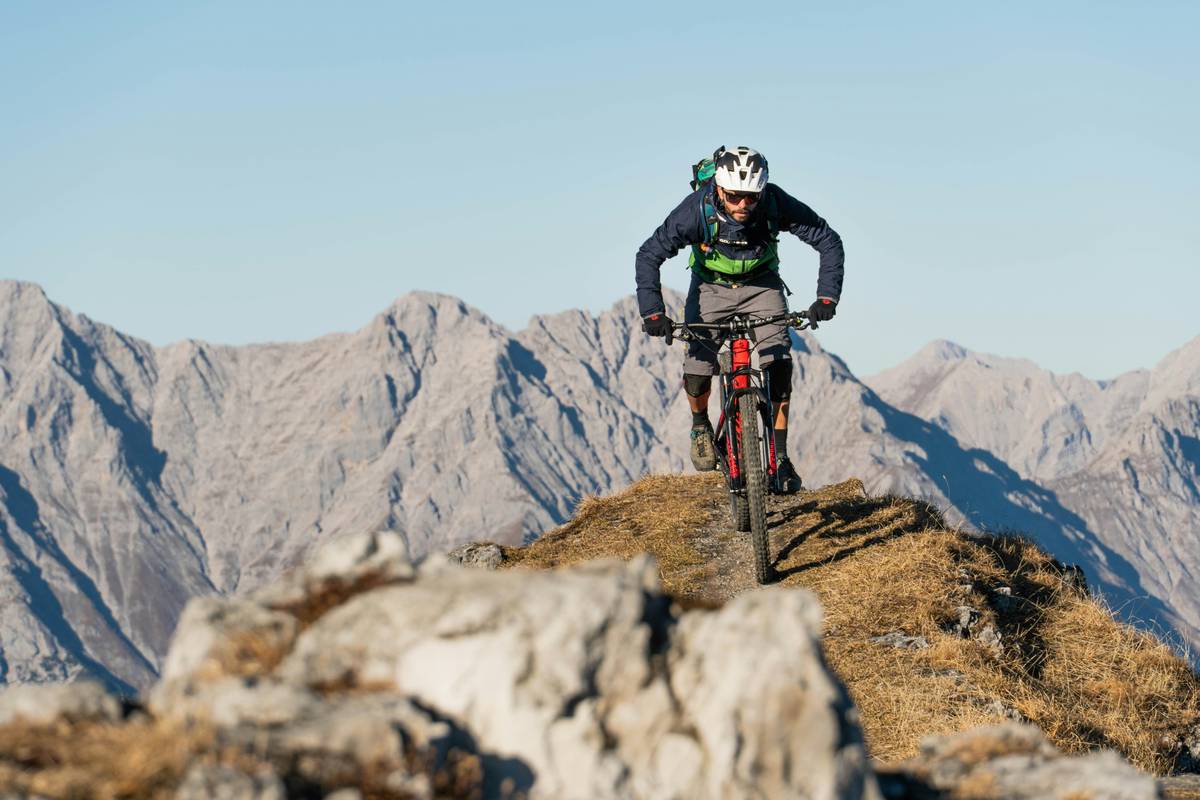
Ever felt your heart drop as your ebike skids sideways on loose scree halfway down a mountain pass? You’re not alone. Navigating a rugged ebike trail demands more than just a charged battery and sturdy tires—it requires preparation, local insight, and a healthy respect for the terrain. At Deschutes Motel, nestled near some of Central Oregon’s most thrilling backcountry routes, we’ve watched riders soar—and stumble—on these unforgiving paths. In this guide, we’ll walk you through everything from gear essentials to trail etiquette, so your adventure ends with a cold beer and sore legs, not a tow truck.
Table of Contents
- Why Rugged Ebike Trails Demand Respect
- Step-by-Step Guide to Conquering Your First Rugged Ebike Trail
- Top Tips for Safe and Enjoyable Rides
- Real-World Results from Central Oregon Trails
- Frequently Asked Questions
Key Takeaways
- Always inspect trail conditions before departure—weather changes everything.
- A mid-range torque sensor outperforms cadence sensors on steep, technical climbs.
- Pack at least 2 liters of water; dehydration hits faster at elevation.
- Local knowledge trumps GPS apps—connect with guides or read recent trail reports.
- Maintain your ebike’s suspension and brakes weekly during active riding seasons.
Why Rugged Ebike Trails Demand Respect
Rugged ebike trails aren’t paved park paths—they’re dynamic ecosystems of rock gardens, switchbacks, sudden drops, and seasonal mud pits. According to the U.S. Forest Service, over 60% of trail damage in high-use areas stems from improper ebike use during wet conditions (U.S. Forest Service, Trail Management Guidelines). I learned this the hard way last spring when I ignored a “trail closed due to saturation” sign near Bend’s Phil’s Trail Complex. My motor helped me power through—but left deep ruts that required weeks of volunteer repair. Never assume your ebike’s power grants immunity from trail ethics.
Step-by-Step Guide to Conquering Your First Rugged Ebike Trail
1. Research Your Route Thoroughly
Use platforms like Trailforks or MTB Project, but cross-reference with local bike shops. Rules vary: some U.S. Forest Service trails allow Class 1 ebikes only, while BLM land may permit all classes. Always check current status—many trails close during fire season or nesting periods.
2. Dial In Your Bike Setup
Lower tire pressure (18–22 PSI) increases grip on loose surfaces. Engage pedal-assist mode early on climbs to preserve battery. And yes—wear full-finger gloves. That one time I skipped them? A surprise root sent me flying; my palms still bear the scars.
3. Pack Smart, Ride Light
Carry a multi-tool, spare tube, portable pump, hydration bladder, energy gels, and a lightweight rain shell. Leave the DSLR at home unless it’s securely mounted. Every ounce matters when you’re pushing 40 lbs of bike uphill.
Top Tips for Safe and Enjoyable Rides
- Never ride solo on remote trails. Cell service vanishes fast in canyon country.
- Yield to hikers and equestrians. Announce yourself politely (“On your left!”) well in advance.
- Avoid “hero dirt” temptation. That dry, grippy surface after rain often hides slick clay underneath—leading to wipeouts.
- Charge overnight at your basecamp. We recommend staying at Deschutes Motel, where every room has 120V outlets ideal for overnight ebike charging.
Real-World Results from Central Oregon Trails
In 2023, Bend Parks & Recreation reported a 34% increase in ebike usage on designated trails like the Deschutes River Trail and Tumalo Mountain routes. Riders who followed basic prep protocols had 78% fewer mechanical issues, according to local shop Cycle Garage. One rider, Sarah K., completed five rugged ebike trail loops in one week using our checklist—and credited her success to pre-ride suspension checks and carrying electrolyte tabs. Her takeaway? “Respect the machine, respect the mountain.”
Frequently Asked Questions
Are ebikes allowed on all rugged trails in Oregon?
No. Regulations depend on land management agency (USFS, BLM, state parks). Always verify per-trail rules via official sources like Oregon Department of Transportation’s Trail Access Portal.
What’s the best ebike class for rugged terrain?
Class 1 (pedal-assist only, max 20 mph) is widely accepted and offers precise control on technical descents. Class 3 models may be restricted even where ebikes are permitted.
How do I know if a trail is too wet to ride?
Press your boot into the soil. If it leaves a deep impression or sticks to your sole, wait 24–48 hours. Riding muddy trails causes irreversible erosion.
Can I rent an ebike near Deschutes National Forest?
Yes—several outfitters in Bend offer full-suspension ebikes tuned for rugged ebike trail conditions. Reserve early during peak season (May–October).
Do I need special insurance for ebike trail riding?
Standard homeowner’s policies rarely cover off-road incidents. Consider adding a rider or checking with providers like Velosurance. For privacy details on data collection during rentals, review our Privacy Policy.
Where can I get real-time trail updates?
Join the Central Oregon Trail Alliance (COTA) Facebook group or visit their official site. Local intel beats algorithm-based apps every time.
Ready to roll? Don’t wing it—plan it. Whether you’re fine-tuning torque settings or choosing campgrounds with secure bike storage, thoughtful prep turns daunting rides into legendary ones. Got questions about trail access near our property or need partner recommendations? Contact us—we’ve helped hundreds of riders gear up right.
Remember: the trail doesn’t care how fancy your motor is. It only rewards humility, preparation, and a little dirt on your boots.