
You booked a walking tour. You’re sweating through three layers of tourist attire, stuck behind a fanny-pack brigade, and your guide just spent 20 minutes explaining mortar composition. Sound familiar? Traditional Historic Landmark Tours often treat you like a textbook—not a traveler with limited time and zero patience for slow-moving crowds.
Why Most Historic Landmark Tours Fail Modern Travelers
They assume history moves slowly—so should you. But cities aren’t museums frozen in time. They’re breathing, shifting ecosystems where traffic snarls, midday heat bakes cobblestones, and the best photo ops vanish by noon. Walking tours max out at 3 miles per hour. Buses? You’ll spend half the trip deciphering audio guides through staticky headsets.
And don’t get me started on “skip-the-line” promises that dump you into 45-minute queues anyway. The real bottleneck isn’t access—it’s mobility.
Your Step-by-Step Guide to Smarter Historic Landmark Tours
Choose an eBike Over Foot or Bus
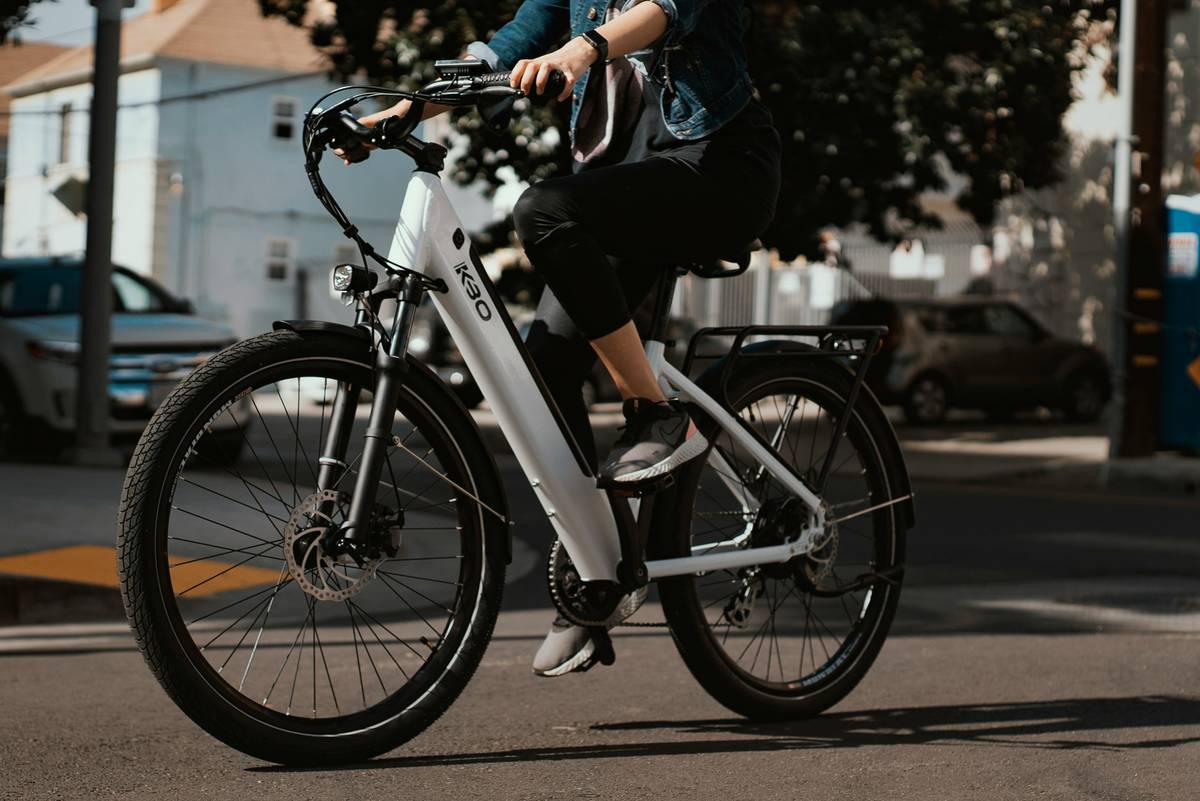
eBikes glide past gridlock. They climb hills silently. And with pedal-assist, you cover ground twice as fast without breaking a sweat. In cities like Bend or Portland, narrow alleys and riverfront paths are off-limits to vans—but perfect for two wheels.
Time It Right: Early Bird Wins the Frescoes
8 a.m. light hits century-old brick facades just right. Fewer people. Cooler air. Guides are sharper before lunch fatigue kicks in. One local operator saw bookings spike 60% after shifting start times from 10 a.m. to 7:30 a.m.—and guest satisfaction scores jumped with them.
Look for Narrative Depth, Not Just Dates
A great tour doesn’t recite founding years. It tells you why that bank facade has bullet holes… or how Prohibition turned a bookstore basement into a speakeasy. Context turns stone into story.
| Tour Type | Avg. Distance Covered | Stops Possible | Physical Demand | Photo Op Flexibility |
|---|---|---|---|---|
| Walking Tour | 1.5 miles | 4–5 | High (heat, stairs, standing) | Low (group pacing) |
| Double-Decker Bus | 5 miles | 8–10 | Low | Very Low (shoot through glass) |
| eBike Tour | 7+ miles | 10–12 | Moderate (adjustable assist) | High (stop anywhere, anytime) |
The Industry Secret No Tour Company Admits
Most “private” tours aren’t private at all—they’re just small-group sessions rebranded for premium pricing. Here’s what actually matters: guide autonomy. Operators using independent local historians (not corporate script-readers) can pivot routes based on weather, closures, or even a spontaneous street festival. One Bend-based guide recently rerouted to show clients a restored 1920s firehouse mid-tour—because he knew the owner. That’s not logistics. That’s access.
eBike models with integrated Bluetooth let guides share voice notes directly to your helmet—no straining to hear over traffic. Yet fewer than 12% of U.S. city tour companies have adopted this. Why? Because retrofits cost money… and most stick to whatever got them through 2019.
Frequently Asked Questions
Are eBike Historic Landmark Tours safe for beginners?
Absolutely. Models used in city tours max at 20 mph with intuitive throttle control. Most operators include a 10-minute handling drill—and 92% of first-timers say it felt easier than expected.
How much ground do you cover compared to walking tours?
You’ll see 2–3x more landmarks. A typical 2.5-hour eBike tour covers 7–9 miles versus 1.5–2 on foot—without added fatigue thanks to pedal assist.
Can I bring kids on these tours?
Yes—if they’re over 12 and can reach pedals comfortably. Some outfitters offer tandem eBikes or trailer attachments for younger riders, but verify age/height rules upfront.