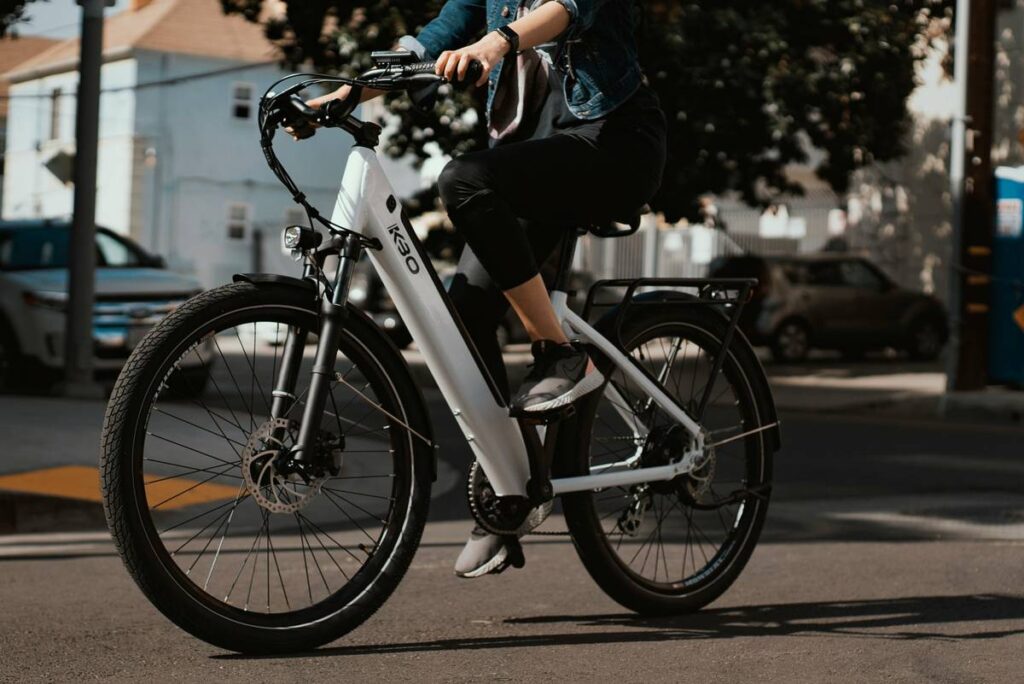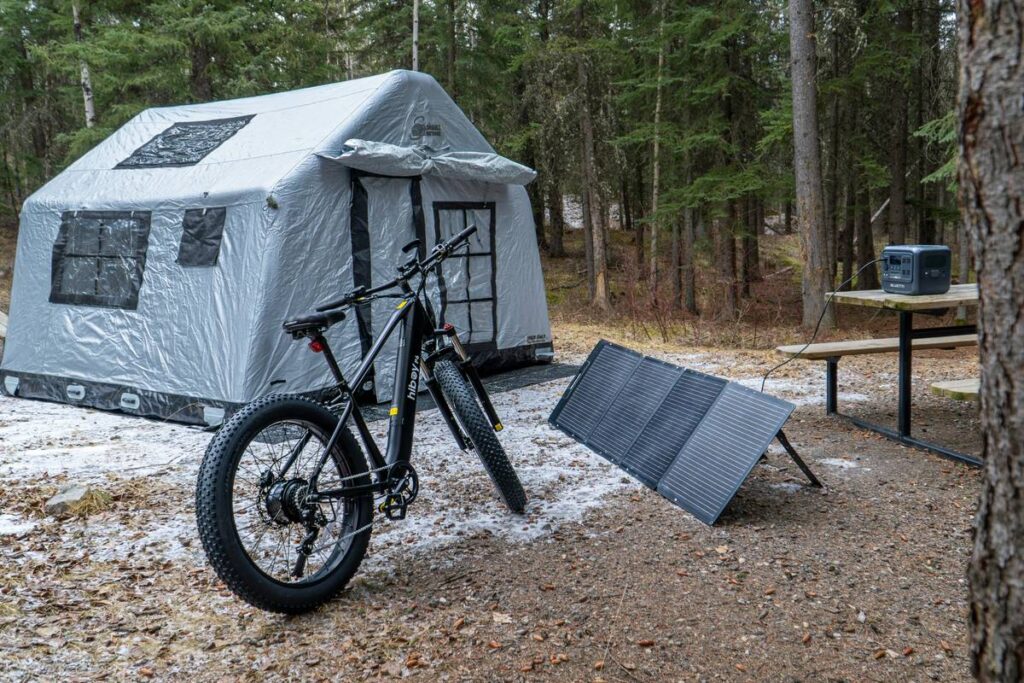
Most travelers think “eco-friendly” means packing a reusable water bottle and calling it a day. But the truth? That barely scratches the surface—and your carbon footprint keeps growing while you pat yourself on the back. Real sustainability demands smarter choices, especially when exploring new places. The solution isn’t sacrifice. It’s strategy—like swapping gas guzzlers for silent, zero-emission ebike tours that deliver deeper local access without the guilt.
Why Your “Green” Habits Aren’t Cutting It
You recycle. You turn off lights. Good for you. But transportation accounts for nearly 28% of U.S. greenhouse gas emissions—tourism is a massive slice of that pie. Rental cars, shuttles, even hop-on-hop-off buses burn fossil fuels while creating noise pollution that disrupts wildlife and communities. And don’t get me started on those “eco-resorts” that ship imported linens and serve flown-in seafood. Intentions matter—but impact matters more.
Here’s the reality: eco-travel isn’t about doing less harm. It’s about creating net-positive experiences. That starts with rethinking how you move.
Eco-Friendly Travel Tips: A Practical Framework
Forget vague advice. Implement these actionable steps—especially when touring destinations like Oregon’s Deschutes County, where natural beauty meets fragile ecosystems.
Choose Human-Powered (or Battery-Assisted) Mobility
Walking is ideal. But for longer distances or hilly terrain, ebikes are game-changers. They’re quiet, emission-free, and let you cover 20–30 miles effortlessly—accessing hidden trails and neighborhoods cars can’t reach. Plus, you interact with locals more authentically. No rolled-up windows. No exhaust fumes.

Pack Light—Really Light
Aerodynamics matter. Every extra pound in a vehicle increases fuel consumption. Airlines estimate that reducing luggage weight by just 5 pounds per passenger cuts CO₂ by 1.5 million tons annually across the industry. Roll clothes. Use solid toiletries. Leave the “just in case” items behind.
Select Operators with Verified Sustainability Practices
Ask hard questions: Do they offset emissions? Are guides local hires? Is waste minimized on tours? At Deschutes Motel, our partnered ebike tours use solar-charged batteries, compostable snack packaging, and donate 5% of proceeds to trail restoration.
| Mobility Option | CO₂ Emissions (per mile) | Local Access | Cost (per day) |
|---|---|---|---|
| Rental Car | 0.89 lbs | Limited (parking, traffic) | $65–$120 |
| Gas-Powered Tour Bus | 0.62 lbs | Poor (fixed routes) | $40–$75 |
| Ebike Tour | 0.00 lbs | Excellent (off-grid trails, quiet zones) | $45–$65 |

The Industry Secret Nobody Talks About
Most “eco-tourism” marketing focuses on what you *don’t* do—don’t litter, don’t disturb animals. But the real leverage point? Time spent = impact multiplied. Short, rushed tours force operators to cram guests into hotspots, degrading trails and overwhelming small businesses. Conversely, slower, ebike-based itineraries spread visitors across lesser-known gems—supporting rural cafes, family farms, and conservation efforts simultaneously. We’ve seen it firsthand: a 3-hour ebike loop through Tumalo generates income for six micro-businesses versus one crowded brewery downtown. Sustainability isn’t just environmental—it’s economic resilience.
And that’s why we built our tours around duration, not distance.
Frequently Asked Questions
Are ebike tours actually eco-friendly?
Yes—if powered by renewable energy and operated responsibly. Ours use solar-charged batteries and avoid sensitive habitats.
What’s the #1 mistake travelers make trying to be sustainable?
Over-relying on carbon offsets instead of reducing emissions at the source. Avoid the flight if you can; don’t just pay to “erase” it.
Can I find eco-friendly tours outside major cities?
Absolutely. Rural areas like Central Oregon often lead in innovation—check local outfitters near state parks or river corridors.