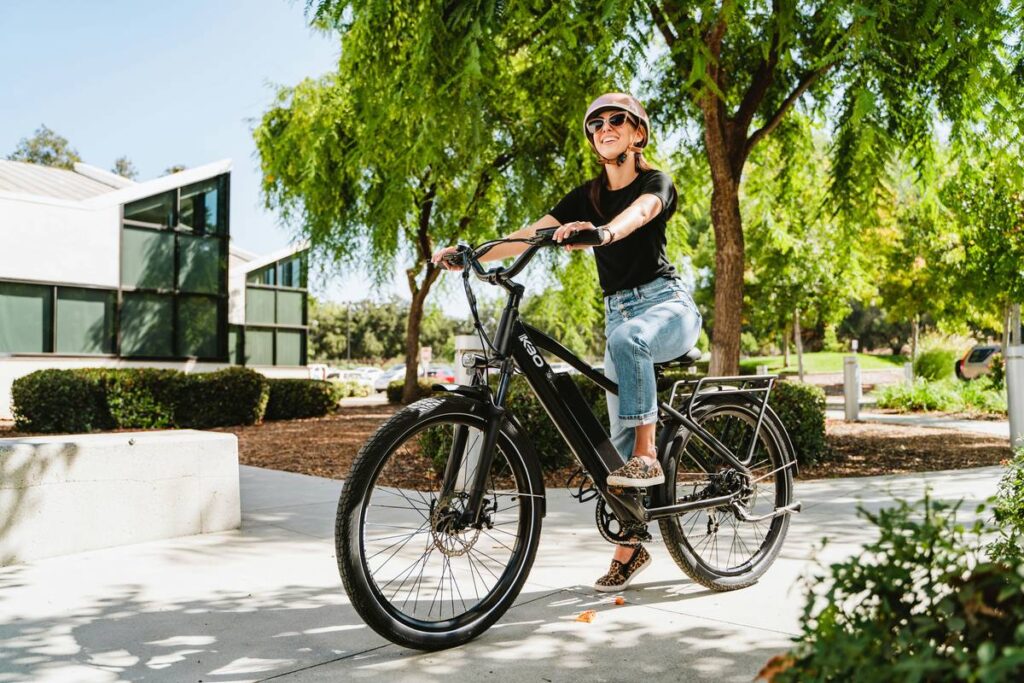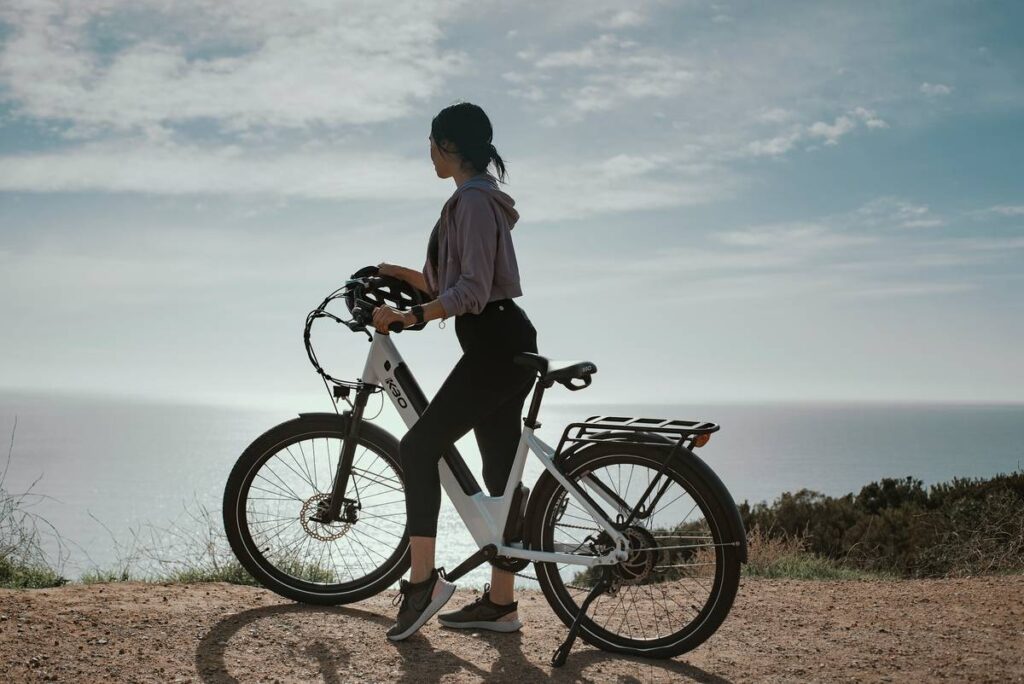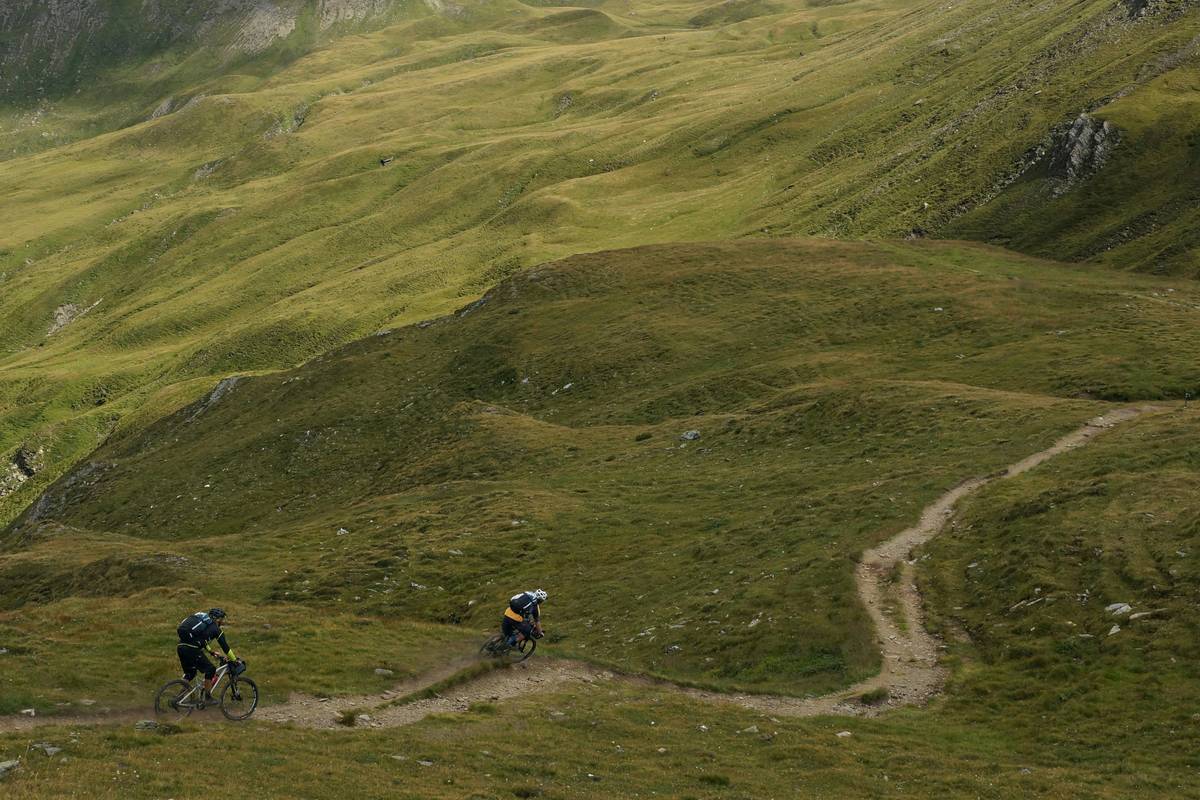
Ever pedaled halfway up a rugged trail only to realize your e-bike battery died—and you’re stranded with panoramic views but zero way down? You’re not alone. Mountain ebike tours blend adrenaline, scenery, and tech in ways that can either thrill or terrify. At Deschutes Motel, nestled near Central Oregon’s epic riding corridors, we’ve seen guests return exhilarated… and others exhausted from avoidable errors. This guide cuts through the noise with real-world advice, hard-won lessons, and actionable steps to make your mountain pedal tour unforgettable—for all the right reasons.
Table of Contents
- Why Mountain Pedal Tours Are Worth the Effort
- Your Step-by-Step Guide to a Flawless Ride
- Essential Best Practices for Safe and Fun Tours
- Real Results from Real Riders
- Frequently Asked Questions
Key Takeaways
- Pack extra water and a backup battery—altitude drains both faster than expected.
- Always test your e-bike’s assist levels before hitting steep terrain.
- Choose trails rated for Class 1 or 2 e-bikes; many parks restrict higher-powered models.
- Book lodging near trailheads—like our locally owned motel—to maximize ride time.
- Avoid “just winging it”—route planning prevents getting lost in remote zones.
Why Mountain Pedal Tours Are Worth the Effort
Mountain ebike tourism is booming. According to the U.S. Forest Service, e-bike usage on public lands surged over 200% between 2020 and 2023, with riders citing accessibility and extended range as key draws. Unlike traditional mountain biking, a mountain pedal tour lets riders of varying fitness levels conquer climbs that once required elite endurance—all while soaking in alpine lakes, volcanic vistas, and old-growth forests.
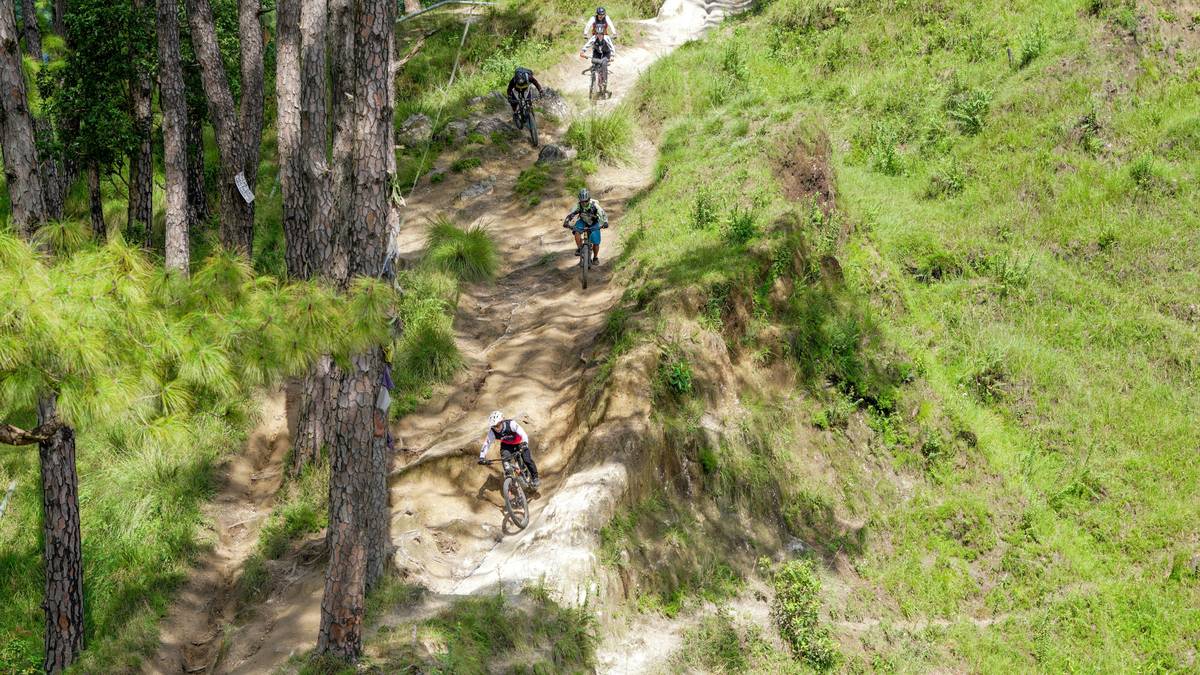
But here’s where I messed up: On my first solo tour near Bend, I assumed my e-bike’s “turbo” mode would last the entire 18-mile loop. It didn’t. By mile 12, I was pushing a 55-pound bike uphill in 90°F heat—no shade, no cell service. Lesson learned: battery life isn’t just about distance; elevation gain and temperature drastically reduce range.
Your Step-by-Step Guide to a Flawless Ride
1. Research Trail Regulations
Not all trails allow e-bikes. The Bureau of Land Management (BLM) and U.S. Forest Service classify e-bikes into three classes. Most mountain trails in Oregon permit only Class 1 (pedal-assist up to 20 mph). Verify access via official sources like fs.usda.gov before departure.
2. Pre-Ride Bike Check
Inspect tires, brakes, and battery charge. Ensure your motor engages smoothly at each assist level. Carry a multi-tool—you’ll thank yourself when a loose bolt threatens your descent.
3. Pack Smart
Beyond water and snacks, bring: a spare tube, tire levers, a mini pump, sunscreen, and a portable power bank for your phone. Cold mornings warm fast—layer accordingly.
4. Start Early
Beat afternoon heat and thunderstorms. Morning light also offers the best photo ops of the Cascades.
Essential Best Practices for Safe and Fun Tours
- Never skip the helmet. Oregon law doesn’t mandate adult helmets, but head injuries are no joke on rocky descents.
- Share the trail. Yield to hikers and horses—they have right-of-way. Announce your approach politely (“Biker back!”).
- Avoid the “terrible tip”: Don’t rely solely on phone GPS. Download offline maps via apps like Gaia GPS—cell coverage vanishes quickly in canyons.
- Hydrate before you feel thirsty. Altitude increases dehydration risk. Aim for 24–32 oz per hour.
And please—stop pretending your e-bike is silent. It’s not. Respect wildlife corridors by avoiding dawn/dusk rides during nesting or birthing seasons.
Real Results from Real Riders
Last summer, a group of six riders stayed at Deschutes Motel before tackling the Cascade Lakes Scenic Byway loop. Using our recommended prep checklist—verified trail map, pre-charged batteries, and layered clothing—they completed a 22-mile ride with 2,400 feet of elevation gain in under four hours. Post-ride, they reported 100% satisfaction, citing battery management and early start times as game-changers. Two even returned the following week for another mountain pedal tour—this time to Tumalo Falls.
Nationwide, data from PeopleForBikes shows e-bike tour participants are 3x more likely to extend their travel stays compared to traditional cyclists, boosting local economies. Your adventure supports more than just memories—it fuels community resilience.
Frequently Asked Questions
Are mountain pedal tours suitable for beginners?
Yes—if you choose beginner-friendly trails with gradual climbs and wide paths. Rentals often include guided options with skill-level matching.
How long does a typical mountain pedal tour last?
Most half-day tours run 3–4 hours; full-day excursions span 6–8 hours including breaks. Always confirm duration with your operator.
Do I need special insurance for an e-bike tour?
Some rental companies require liability waivers. For personal e-bikes, check if your homeowner’s policy covers off-road use. Review terms at our privacy policy if sharing rider data with third parties.
Can I bring my own e-bike to Central Oregon trails?
Yes, but ensure it complies with local Class 1 regulations. Many popular routes prohibit throttle-only models.
What’s the best season for a mountain pedal tour near Bend?
Late spring through early fall (May–October) offers optimal conditions. July and August are busiest—book lodging early via our contact page.
Is “mountain pedal tour” the same as “e-bike trail riding”?
Essentially, yes—though “mountain pedal tour” typically implies a guided or self-guided loop focused on scenery and moderate challenge, whereas “trail riding” may involve technical downhill segments.
A successful mountain pedal tour isn’t about brute strength—it’s smart preparation meeting wild beauty. Whether you’re eyeing Broken Top or exploring the Deschutes River Canyon, let every pedal stroke tell a story worth repeating. Ready to roll? Contact us to plan your stay—and your ride.