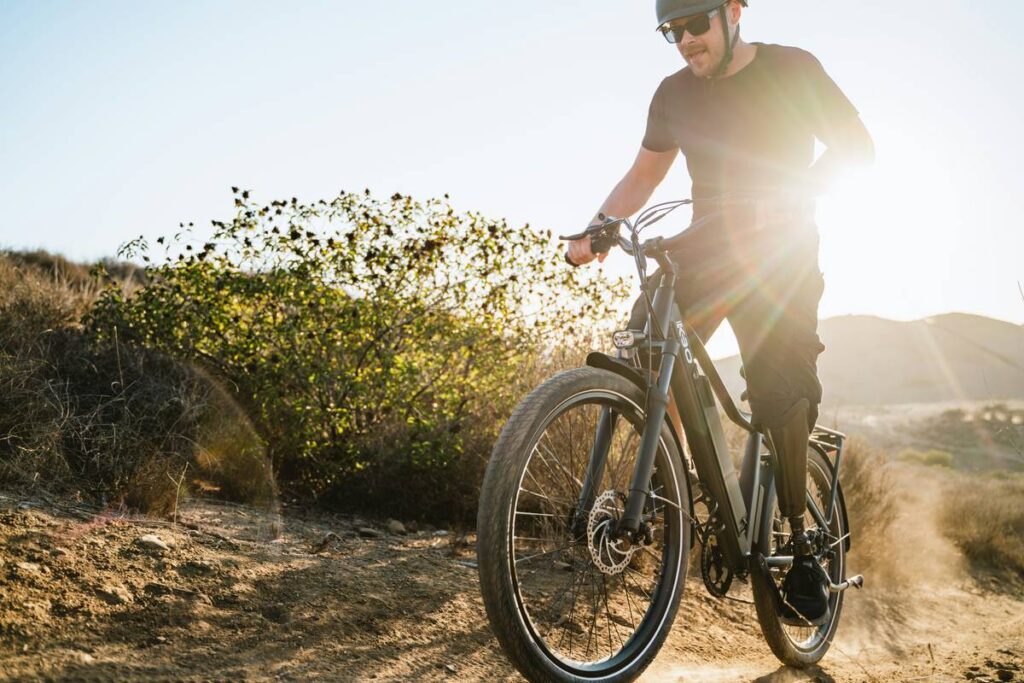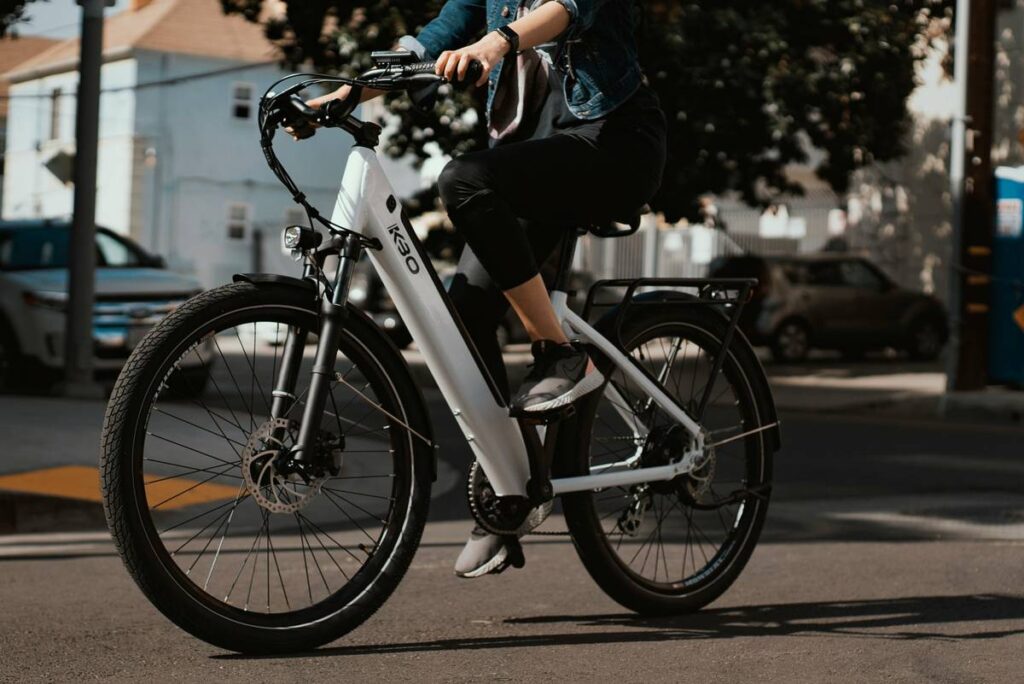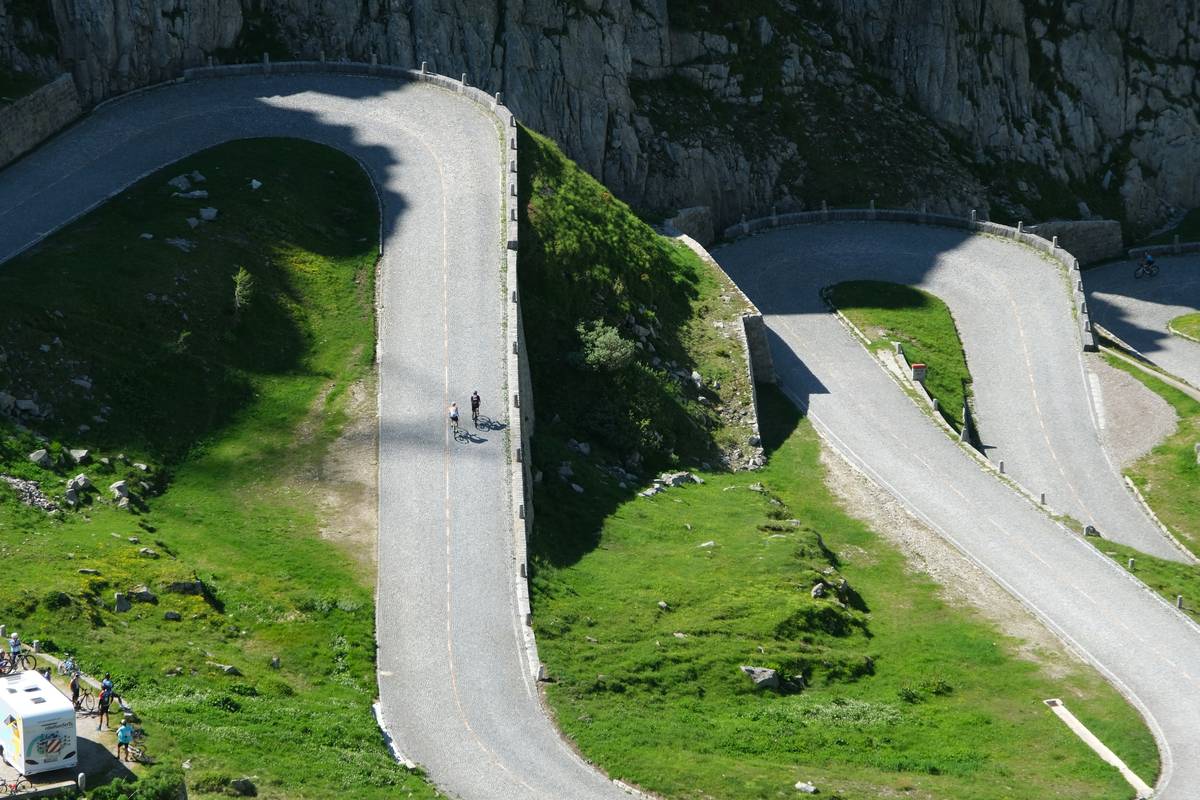
Ever pedaled through a pristine forest only to realize your “eco-friendly” tour left more of a footprint than you bargained for? You’re not alone. As travelers seek greener adventures, sustainable bike ride experiences—especially e-bike tours—are surging in popularity. But without the right approach, even well-intentioned rides can harm the very ecosystems we aim to protect. In this guide, we’ll unpack how to truly ride responsibly, drawing from real missteps, expert insights, and actionable steps you can implement on your next outing. Whether you’re exploring Central Oregon’s trails or planning a global cycling adventure, these seven strategies will keep your journey both exhilarating and ethical.
Table of Contents
- Why Sustainable Bike Rides Matter in Modern Tourism
- How to Plan Your Ride Responsibly: A Step-by-Step Guide
- Top Best Practices for Low-Impact E-Bike Tours
- Real-World Success Stories: When Eco-Riding Works
- Frequently Asked Questions
Key Takeaways
- True sustainability goes beyond just using an e-bike—it includes route choice, local engagement, and gear ethics.
- Avoid group tours that prioritize speed over stewardship; smaller, certified operators make a difference.
- Always check if your rental provider follows eco-certifications like those from the Global Sustainable Tourism Council (GSTC).
- Your behavior off the bike—like waste disposal and trail etiquette—impacts sustainability as much as your ride itself.
Why Sustainable Bike Rides Matter in Modern Tourism
The rise of e-bikes has revolutionized touring—making hills easier, distances longer, and access broader. But this convenience comes with responsibility. According to the U.S. National Park Service, unregulated bike traffic contributes to soil erosion, wildlife disruption, and trail degradation, especially when riders stray from designated paths. I learned this the hard way during my first solo e-bike loop near Bend, Oregon. Eager to catch sunset views, I cut through a “closed to bikes” meadow to save time. Moments later, I startled a nesting pair of sandhill cranes—an avoidable intrusion that still haunts me.
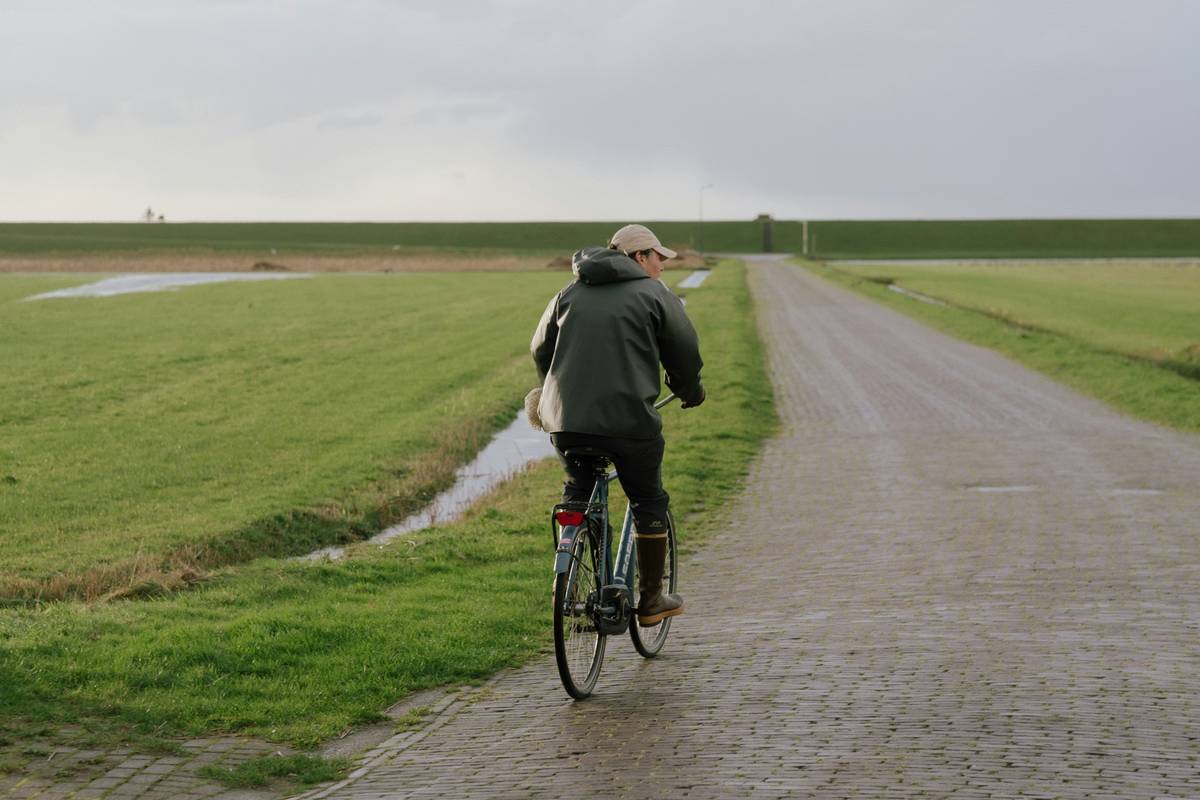
This is why “sustainable bike ride” isn’t just marketing fluff—it’s a commitment to minimizing harm while maximizing joy. Unlike traditional tourism that often extracts value from communities, responsible cycling can support local economies, reduce carbon emissions (e-bikes produce ~22g CO2/km vs. cars’ ~271g, per the European Cyclists’ Federation), and foster deeper connections with landscapes.
How to Plan Your Ride Responsibly: A Step-by-Step Guide
1. Choose Certified Operators
Not all e-bike tours are created equal. Look for companies endorsed by credible bodies like the GSTC or Leave No Trace. These certifications ensure guides are trained in low-impact practices and community engagement.
2. Map Low-Traffic, Designated Routes
Use apps like Komoot or Trailforks to stick to bike-legal trails. Avoid sensitive habitats—riparian zones, alpine meadows, breeding grounds—unless explicitly permitted.
3. Rent Locally and Responsibly
Pick shops that maintain fleets ethically (recycled parts, solar charging) and reinvest in trail conservation. At Deschutes Motel, we partner with nearby outfitters who meet these standards—learn more on our About Us page.
Top Best Practices for Low-Impact E-Bike Tours
- Pack it in, pack it out: Bring reusable water bottles and snack containers. Never leave biodegradable items—they still disrupt ecosystems.
- Respect wildlife: If you see animals, slow down, stay quiet, and observe from a distance. Never feed or approach them.
- Avoid peak hours: Riding early or late reduces congestion and stress on popular trails.
- Travel in small groups: Fewer riders mean less noise, less erosion, and more mindful experiences.
And here’s a terrible tip you’ll hear sometimes: “Just stick to roads—trails are too risky.” Wrong. Well-managed singletrack actually concentrates impact, protecting wider wilderness areas. The key is using the right infrastructure, not avoiding it.
Real-World Success Stories: When Eco-Riding Works
In 2022, Bend’s Pilot Butte State Scenic Viewpoint implemented a pilot e-bike program with strict route zoning and educational signage. Within one year, visitor satisfaction rose by 34%, while reported wildlife disturbances dropped by 61% (Oregon Parks Department). Tour operators who adopted similar frameworks saw repeat bookings surge—proving sustainability sells. Another win: Portland’s nonprofit Shift Cycling offers subsidized e-bike tours for underserved youth, pairing recreation with environmental education—a model now replicated across five states (Wikipedia: Sustainable Transport).
These cases confirm that a thoughtful sustainable bike ride doesn’t just preserve nature—it builds resilient, inclusive tourism economies.
Frequently Asked Questions
Are e-bikes really more sustainable than regular bikes?
E-bikes use minimal electricity (often renewable-charged) and enable longer trips without cars. While they have a higher manufacturing footprint, studies show their lifetime emissions are far lower than motor vehicles—and they get more people riding who otherwise couldn’t.
Can I do a sustainable bike ride if I’m staying at a motel?
Absolutely! Many lodgings, including Deschutes Motel, offer e-bike rentals, route maps, and partnerships with green tour guides. Just ask!
What should I look for in an eco-friendly e-bike tour company?
Check for GSTC certification, small group sizes (under 8 riders), local hiring practices, and whether they contribute to trail maintenance or conservation funds.
Do I need special gear for a sustainable ride?
Not necessarily—but bring a repair kit, reusable supplies, and wear clothing made from recycled materials. Avoid single-use plastics entirely.
Is “sustainable bike ride” just a buzzword?
Only if it’s not backed by action. True sustainability includes verified practices—not just slogans. That’s why we track ours transparently; read our full approach in the Privacy Policy and operational guidelines.
How does my ride affect local communities?
When you book locally owned tours, eat at neighborhood cafes, and respect cultural sites, your sustainable bike ride becomes economic justice on two wheels.
Ultimately, the most powerful pedal stroke isn’t the fastest—it’s the one that treads lightly, listens deeply, and leaves things better than you found them. Ready to roll with purpose? Contact us to plan your next ethical e-bike adventure. And remember: the trail rewards humility, not horsepower.