You trained all winter. Your e-bike’s battery is topped off. You’re ready—until mile five at 8,000 feet leaves you gasping like you’ve run a marathon in reverse. Altitude doesn’t care about your fitness tracker stats. Thin air hits hard, fast, and without warning. But here’s the fix: smart Altitude Cycling Preparation isn’t just about lungs—it’s about timing, tech, and a trick most tour operators won’t tell you.
Why “Just Ride More” Fails at Altitude
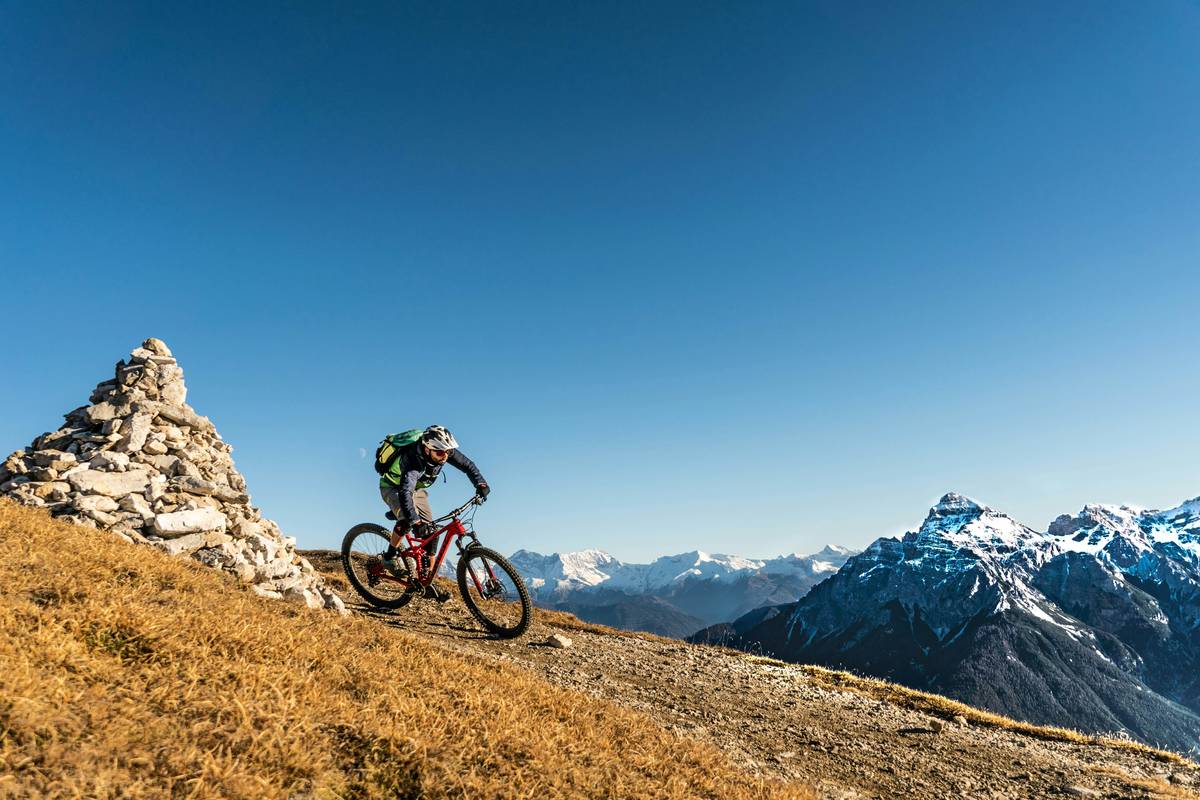
Sea-level endurance means almost nothing above 7,000 feet. Your body processes oxygen differently—not less efficiently, but differently. And e-bikes? They lull riders into false confidence. The motor helps your legs, sure—but it doesn’t oxygenate your blood. Many arrive in Bend or Sisters thinking their pedal assist will do the heavy lifting. Then they bonk on Tumalo Ridge, dizzy and dehydrated, wondering why their $6,000 setup felt useless.
Here’s the reality: altitude sickness creeps in subtly. Headache. Nausea. Irritability. By the time you notice, you’ve already compromised your ride—and possibly your whole trip. Standard advice (“drink water,” “take it slow”) is table stakes. It’s not enough when you’re climbing switchbacks with 5% battery left and zero acclimatization.
Step-by-Step Altitude Cycling Preparation for Mountain Ebike Tours
Forget generic checklists. This is what actually works—tested on Central Oregon’s toughest routes.
Arrive Early, Not Just “Rested”
Spend at least 24–48 hours below 6,000 feet before hitting trails above 7,500. That means skipping the direct flight-and-ride plan. Book a night at a low-elevation base like Deschutes Motel in Bend (around 3,600 ft), then stage your ascent gradually. Your red blood cells need time to recalibrate—not rest.
Pre-Hydrate Like You’re Racing
Dehydration accelerates altitude symptoms. Start 48 hours pre-ride with electrolyte-enhanced water—not just plain H2O. Add sodium, potassium, and magnesium. Skip the sugary sports drinks; they cause osmotic imbalance at elevation.
Tune Your Ebike’s Assist Strategy
Most riders max out pedal assist too early. Bad move. At altitude, conserve battery for true climbs—not flats or descents. Set assist to Eco or Tour mode until you hit sustained grades over 6%. Your legs will thank you later.
| Preparation Method | Time Required | Cost | Effectiveness at >7,000 ft |
|---|---|---|---|
| Same-day arrival + full ride | 0 days | $0 | Poor — high risk of AMS* |
| 24-hour low-elevation layover | 1 day | $120–$180 (lodging) | Good — noticeable symptom reduction |
| Hydration + assist tuning only | 2 days prep | $15–$30 (electrolytes) | Moderate — delays but doesn’t prevent issues |
| Full protocol (layover + hydration + tuning) | 2–3 days | $135–$210 | Excellent — enables full-day mountain tours |
*AMS = Acute Mountain Sickness
The Industry Secret: Simulated Ascent Training (You Can Do at Home)
Top guides in Colorado and Oregon use this—but rarely advertise it. Two weeks before your trip, sleep in a slightly elevated position. Not metaphorically. Literally: raise the head of your bed by 6–8 inches using blocks or wedges. Why? It mildly stresses your cardiovascular system overnight, mimicking the fluid shifts of high altitude. Pair that with breathing exercises (inhale 4 sec, hold 4, exhale 6) for 10 minutes daily. The result? Your body begins producing more erythropoietin (EPO)—the hormone that boosts oxygen-carrying red blood cells—without needing weeks at elevation.
Think about it: if your lungs adapt while you sleep, your ride adapts while you climb. Simple. Undetectable. Brutally effective.
FAQ: Altitude Cycling Preparation Questions Answered
Can I do an ebike tour at 9,000 feet without prior altitude exposure?
Technically yes—but you’ll likely battle fatigue, headache, or nausea. Most operators require a signed waiver. Better to spend one night lower first.
Does my ebike motor work differently at high elevation?
Yes. Thinner air reduces motor cooling efficiency. On long climbs, expect slightly less peak power and faster battery drain—plan assist modes accordingly.
How soon before a mountain ride should I stop drinking alcohol?
At least 48 hours. Alcohol dehydrates and suppresses respiration—both worsen altitude symptoms dramatically.