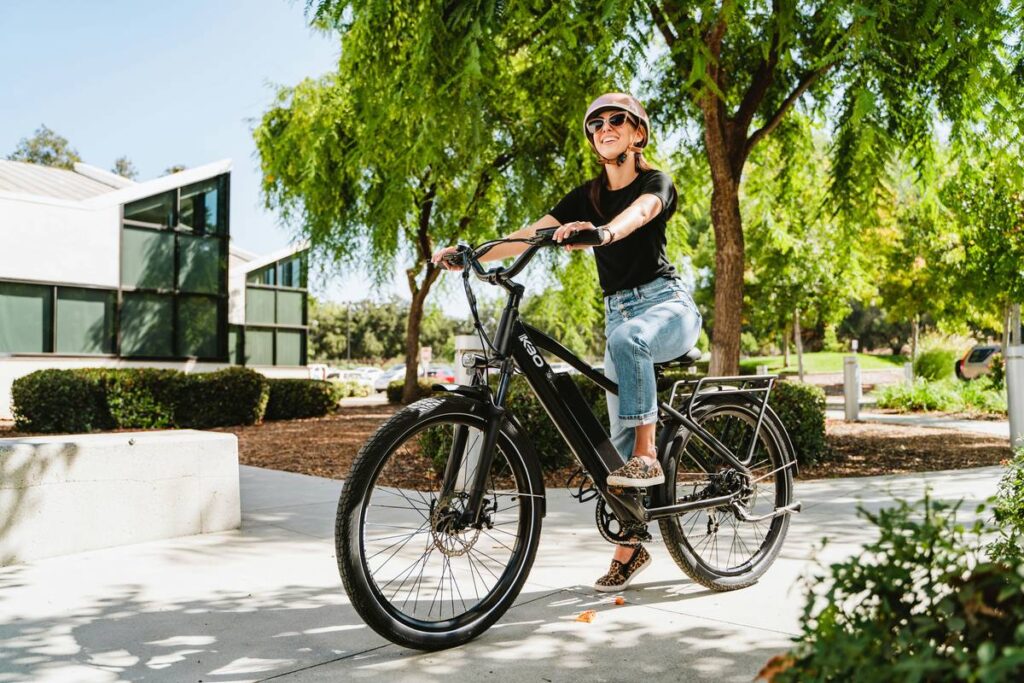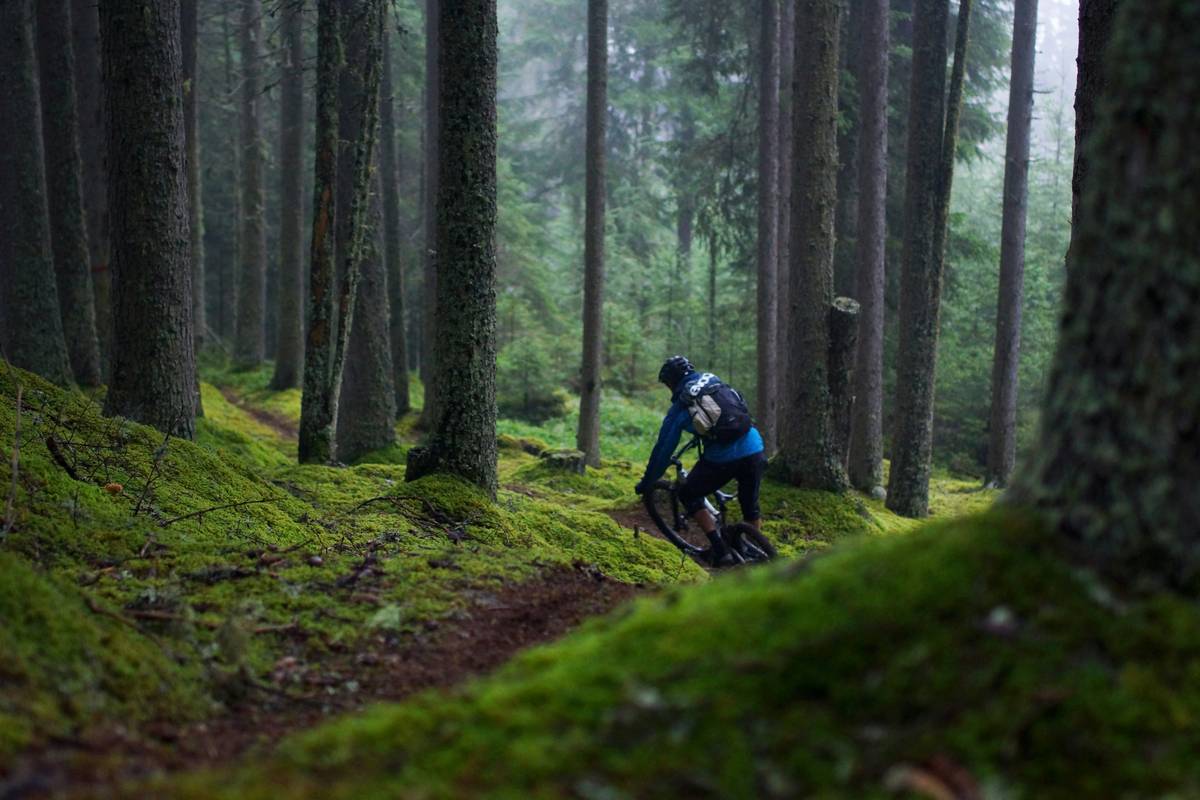
Most mountain trails chew up your legs—and your vacation time—before you’ve truly seen anything. You’re exhausted by mile three, turning around just as the forest reveals its magic. Forest Trail Exploration shouldn’t feel like punishment. Enter the ebike: not a cheat code, but a strategic reset that flips endurance from enemy to ally.
Why Traditional Hiking Fails in True Wilderness Terrain
Guidebooks romanticize “earning your views.” Fine—if you’ve got 10 hours and zero joint pain. But real forests aren’t theme parks with benches every quarter-mile. They’re steep, root-tangled, and unforgiving. And carrying extra water, layers, or camera gear? That pack becomes a liability fast.
Worse: most group tours move at the pace of the slowest hiker. Half the party zones out by hour two. You came for immersion—not a forced march.
Your Step-by-Step Framework for Smarter Forest Trail Exploration
Pick the Right Ebike—Not All Are Built Equal
Forget city commuters with thin tires. For Pacific Northwest forests like those near Bend, you need full-suspension mountain ebikes with plus-sized tires (2.8”+). Mid-drive motors matter—they deliver torque exactly when climbing slick granite switchbacks.
Time Your Ride Around Trail Etiquette & Conditions
Morning rides avoid afternoon dust clouds and shared paths clogged with runners. And yes—most Deschutes County trails allow Class 1 ebikes (pedal-assist only, max 20 mph). Verify current rules via BLM Oregon, but don’t assume bans exist where none do.
Layer Tech Like a Pro
Bring offline maps (Gaia GPS), a 10,000mAh power bank taped under your stem, and a compact tire plug kit. One puncture shouldn’t end your day. And always pack trail cookies—high-fat, low-sugar fuel that won’t crash your energy mid-ridge.
| Approach | Average Range | Trail Access | Experience Depth |
|---|---|---|---|
| Hiking Only | 4–6 miles round-trip | All trails | Limited by fatigue; often surface-level |
| Rental Ebike (Standard) | 15–20 miles | Class 1 permitted trails | Moderate—covers more ground but lacks local insight |
| Guided Ebike Tour (Local Operator) | 25+ miles with battery swaps | Priority access + hidden routes | Deep—stops at ecological hotspots, indigenous sites, microclimates |
The Industry Secret: Battery Swaps Unlock Tier-2 Trails
Most operators cap tours at 20 miles—the standard battery limit. But here’s what they won’t advertise: seasoned guides stash auxiliary batteries at pre-scouted rendezvous points. That unmarked turnoff past Tumalo Falls? It leads to an old-growth cathedral accessible only if you’ve got 35 miles of range. And yes—we rotate fresh packs at mile 18. Suddenly, you’re deep in territory 99% of visitors never see. It’s not cheating. It’s logistics intelligence.
Think about it: a 45-minute shuttle van ride eats half your morning. An ebike with smart battery staging replaces transit time with trail time. The math is simple.
Forest Trail Exploration FAQ
Are ebikes allowed on all forest trails near Bend?
No—only Class 1 (pedal-assist, no throttle) on trails managed by BLM and USFS that permit motorized use. Always confirm current access before riding.
Do I need prior mountain biking experience?
Not necessarily. Modern ebikes have intuitive handling. Guides customize routes based on skill—beginner loops avoid technical descents.
How does weather affect ebike trail access?
Wet trails = temporary closures to prevent erosion. Morning summer rides are ideal. Winter tours shift to gravel roads and packed snow routes.