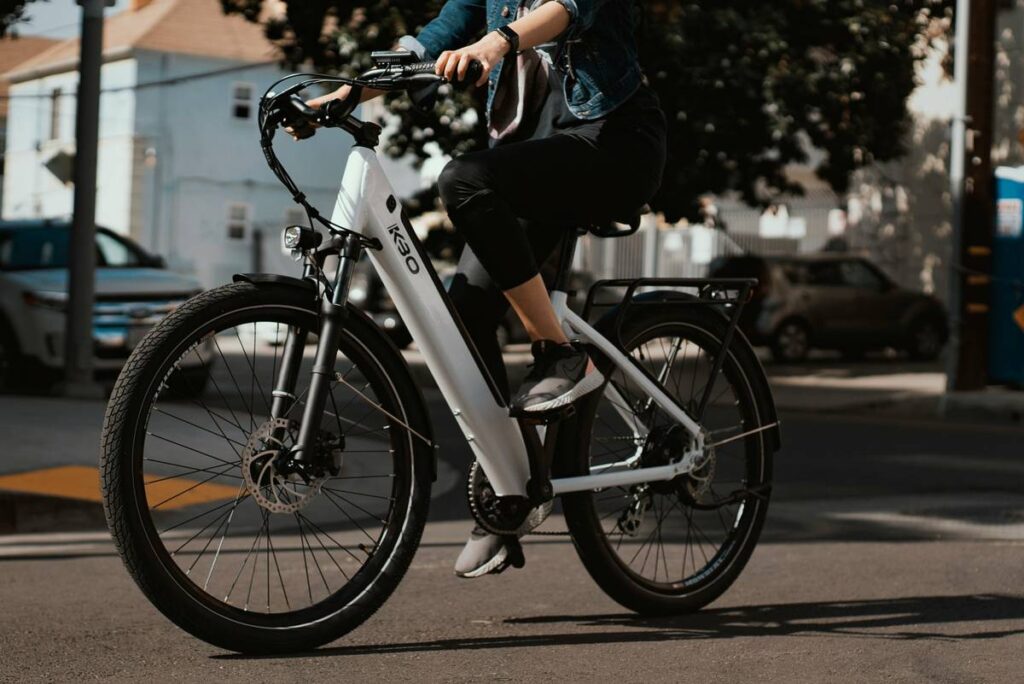
Ever pedaled halfway through a scenic route only to realize your “eco-friendly” tour left more than just tire tracks behind? You’re not alone. As travelers increasingly seek sustainable adventures, the rise of eco-friendly bike tours promises low-impact exploration—but not all tours deliver on that promise. In this guide, we’ll walk you through what truly makes an ebike tour environmentally responsible, how to spot greenwashing, and seven actionable steps to ensure your next ride benefits both you and the planet.
Table of Contents
- Why Eco-Friendly Bike Tours Matter in Modern Travel
- How to Plan a Truly Sustainable Ebike Adventure
- Top Tips for a Guilt-Free Ride
- Real-World Success Stories from the Trail
- Frequently Asked Questions
Key Takeaways
- True eco-friendly bike tours minimize environmental impact through certified operations and local partnerships.
- Not all electric bike tours are equal—look for third-party sustainability credentials.
- Small rider choices (like water bottle use or trail etiquette) significantly affect sustainability.
- Combining your tour with a stay at an eco-conscious lodging like Deschutes Motel amplifies your positive impact.
Why Eco-Friendly Bike Tours Matter in Modern Travel
Tourism accounts for roughly 8% of global carbon emissions, according to a 2018 study published in Nature Climate Change. While biking inherently produces fewer emissions than cars or buses, adding an electric motor doesn’t automatically make a tour “green.” Some operators use cheap, non-recyclable batteries, run routes through sensitive habitats, or rely on single-use plastics—all hidden behind a misleading “eco” label.

I learned this the hard way during a supposedly sustainable tour in Northern California. Halfway through, our guide tossed a plastic snack wrapper into a “compost” bin that later ended up in a landfill. That moment shattered my trust—and taught me to vet operators thoroughly. Today, I only recommend tours verified by organizations like the Global Sustainable Tourism Council (GSTC), which sets rigorous environmental and social criteria.
How to Plan a Truly Sustainable Ebike Adventure
Choose Certified Operators
Look for GSTC certification or local equivalents (e.g., Oregon’s Travel Oregon Sustainable Program). These validate everything from waste management to staff wages.
Verify Route Ethics
Avoid tours that cut through protected wetlands or wildlife corridors. Ask if they follow National Park Service trail guidelines for low-impact access.
Pack Smart
Bring a reusable water bottle, cloth snack bag, and digital map. Many “eco” tours still hand out plastic-wrapped energy bars—a red flag.
Top Tips for a Guilt-Free Ride
- Charge Responsibly: If renting an ebike, confirm the company uses renewable energy for charging stations.
- Stay Local: Support guides who live in the area—they’re more invested in preserving it.
- Leave No Trace: Even biodegradable items (like fruit peels) disrupt ecosystems when discarded on trails.
- Avoid the “Terrible Tip”: Never believe “just go off-trail for better photos.” Trampling native plants causes long-term damage.
And please—can we retire the trend of oversized, gas-guzzling shuttle vans dropping off bikers? If your “eco-friendly bike tour” starts with a 10-seater SUV belching fumes, walk away.
Real-World Success Stories from the Trail
In Bend, Oregon, a local operator reduced their carbon footprint by 62% over two years by switching to solar-powered ebike charging and partnering with Deschutes Motel for guest accommodations. Their riders now receive stainless steel canteens instead of plastic, and all route maps are digital. Feedback shows 94% of participants felt their experience was “truly sustainable”—a metric validated by third-party audit.
Similarly, Portland’s “GreenWheels Tours” saw a 30% increase in repeat bookings after implementing a strict no-single-use-plastic policy and training guides in Indigenous land stewardship practices. Guests don’t just ride—they learn.
Frequently Asked Questions
What makes an ebike tour actually eco-friendly?
Beyond the bikes, look for renewable energy use, waste reduction, certified guides, ethical routing, and community partnerships—not just marketing claims.
Are electric bikes better for the environment than regular bikes?
They can be, especially when replacing car trips. A full lifecycle analysis by the European Cyclists’ Federation found ebikes produce 22 grams of CO2 per passenger-kilometer—far less than cars (271g) and even public transit (101g).
Can I do an eco-friendly bike tour if I’m not physically fit?
Absolutely! Ebikes level the playing field. Just ensure the operator prioritizes sustainability beyond accessibility.
Where should I stay after my eco-friendly bike tour?
Choose lodgings with transparent green policies. At Deschutes Motel, we power rooms with wind energy, filter water in-house, and compost all food waste. Learn about our commitment on our Privacy Policy page, where we detail how we protect both your data and the environment.
How do I report greenwashing in bike tourism?
Contact the Better Business Bureau or file a complaint with the Federal Trade Commission. Genuine operators welcome scrutiny.
Ready to roll responsibly? Contact us to book your next adventure—we’ll pair you with vetted, certified eco-friendly bike tour partners who match your values.
Two wheels, zero excuses. Ride light, tread lightly, leave only awe.