Most city tours feel like cattle drives—packed buses, rushed photo ops, zero spontaneity. You’re herded past landmarks without breathing room to absorb a place’s rhythm. And walking? Exhausting before you hit block three. The real problem isn’t the destinations—it’s the delivery. Urban Exploration Guides solve this by putting you in control: pedal-assist freedom, hidden alleyways, and human-scale pacing. No scripts. No crowds. Just you, your eBike, and the pulse of the city.
Why Traditional City Tours Fail Modern Travelers
Classic hop-on-hop-off buses trap you in metal cocoons while the city blurs past windows. Walking tours burn calories faster than curiosity. Guided Segway groups? They glide over nuance like tourists on autopilot.
Here’s the reality: cities aren’t museums. They’re living organisms—layered, chaotic, evolving hourly. Static itineraries miss street art popping up overnight or that pop-up taco stand run by a retired chef. Rigid schedules kill serendipity. And most “local” guides recite pamphlet copy they’ve memorized, not lived.
You don’t need another rehearsed monologue about historic buildings. You need access—not just to places, but to moments.
How to Execute Flawless Urban Exploration Guides via eBike
Forget rigid routes. Think dynamic discovery. The best Urban Exploration Guides aren’t maps—they’re frameworks for intuition.
Step 1: Choose Your Electric Steed Wisely
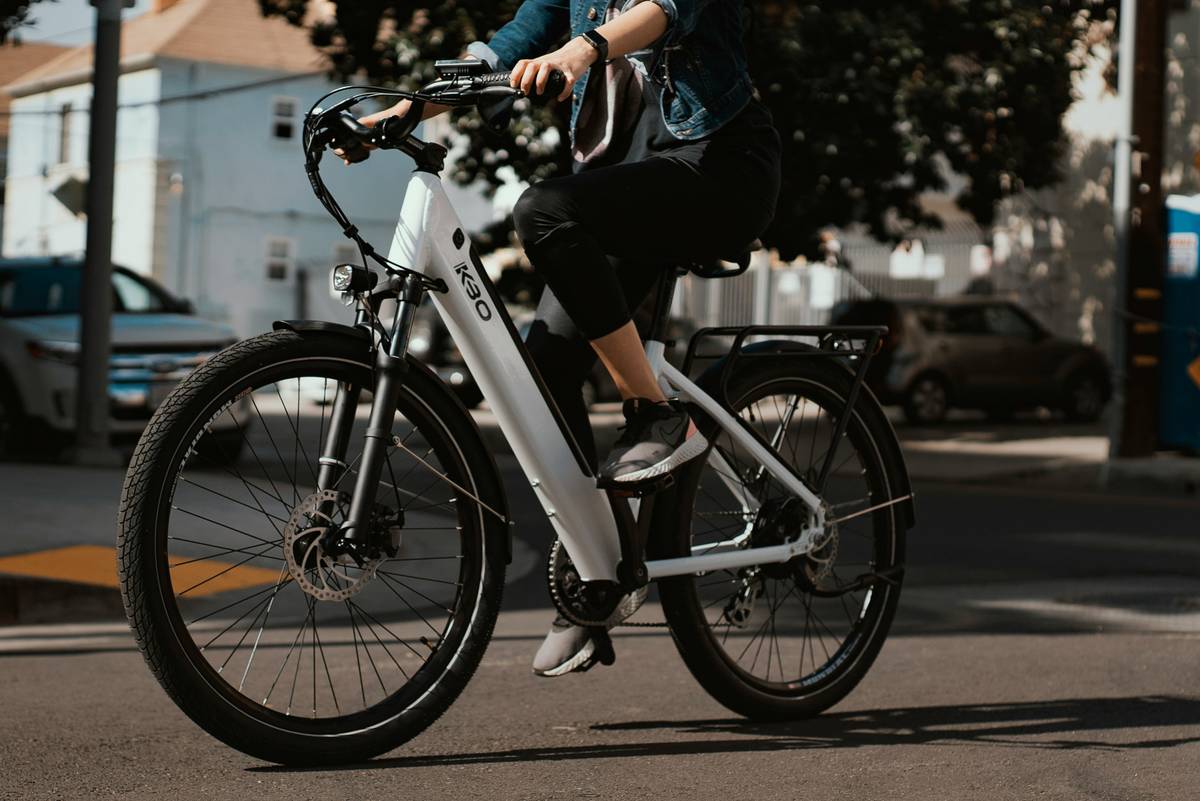
Not all eBikes are built for urban jungle trekking. Prioritize step-through frames (easy mounting), fat tires (cobblestone-proof), and integrated baskets. Avoid flashy throttle-only models—they attract unwanted attention from rental shops and law enforcement alike.
Step 2: Hack the Golden Hour Window
Ride between 7–9 AM or 5–7 PM. Fewer cars. Cooler temps. Light slants sideways, casting dramatic shadows on brick facades. That’s when neighborhoods reveal texture—the baker sweeping flour off his stoop, kids kicking soccer balls in empty plazas.
Step 3: Layer Micro-Zones, Not Mega-Itineraries
Ditch “cover downtown in two hours.” Pick three micro-zones within 1.5 miles max. Spend 20 minutes in each. Sit at a bench. Watch. Listen. Let your next turn be dictated by smell (fresh bread?), sound (live jazz?), or sheer whimsy.

| Exploration Method | Avg. Cost (Per Person) | Max Range (Miles) | Serendipity Score (1-10) |
|---|---|---|---|
| Walking Tour | $35–$60 | 2–3 | 4 |
| Hop-On-Hop-Off Bus | $45–$75 | 10+ (fixed stops) | 2 |
| Solo eBike Rental | $25–$50 | 20–40 | 8 |
| Guided eBike Urban Exploration Guides | $60–$90 | 15–25 | 9 |
Step 4: Equip Like a Local, Not a Tourist
No oversized backpacks. Carry a crossbody sling bag with water, power bank, local SIM card, and cash in small bills. Wear neutral colors—blending beats standing out. And always, always carry a paper map as backup. GPS dies. Batteries drain. Paper doesn’t.

The Industry Secret: “The 3-Block Detour Rule”
Most guide companies won’t tell you this—but their best repeat clients ignore 30% of the planned route. Why? Because magic lives in unplanned left turns.
Here’s my insider protocol: every third block, take an unscripted detour down the most visually intriguing side street. No photos first. Just observe. If something sparks—a mural, a scent, a conversation snippet—linger five minutes. If nothing clicks, circle back. This micro-drift trains your travel intuition. Over time, you stop needing guides altogether. You become your own Urban Exploration Guide.
And yes—this works even in cities you’ve never visited. Pattern recognition kicks in fast when you’re moving at 8 mph instead of 35.
FAQs About Urban Exploration Guides
Are eBike tours suitable for beginners?
Absolutely. Most city eBikes offer pedal-assist levels—start at level 1. You control the effort. No prior cycling experience needed beyond basic balance.
Do I need a license to ride an eBike in cities?
Generally no for Class 1 and 2 eBikes (under 20 mph). But always check local ordinances—some downtown zones restrict throttle use.
What’s included in a guided Urban Exploration Guides experience?
Typically: eBike rental, helmet, route map, snack, and a guide trained in both history and improvisation—not just scripted narration.