Most ebike tours claim to be “eco-friendly”—yet riders unknowingly wear gear dripping in microplastics, toxic dyes, and non-recyclable synthetics. That contradiction sabotages the very experience they seek: clean air, quiet trails, untouched nature. The fix? Ditch greenwashed marketing. Invest in Environmentally Safe Gear that matches your ride’s ethics—not just its aesthetics.
The Dirty Truth About “Green” Ebike Tours
You pedal silently through pine forests. No fumes. No engine roar. Feels pure, right? But your jacket sheds polyester fibers with every breeze. Your helmet’s foam leaches flame retardants when it rains. Even your gloves might be stitched with petroleum-based thread. And most operators never audit their suppliers beyond a logo swap.
This isn’t sustainable tourism—it’s eco-theater. Real impact starts with gear that degrades cleanly, avoids animal testing, and skips virgin plastics entirely. Otherwise, you’re just moving pollution from tailpipes to landfills.
How to Build an Ebike Tour Kit with Environmentally Safe Gear
Forget vague “eco-certifications.” Here’s how to vet gear like a pro:
Prioritize Circular Materials
Choose items made from recycled ocean plastics, organic cotton, or plant-based alternatives like Piñatex (pineapple leaf fiber). Avoid anything labeled “bio-based” without third-party proof—it’s often greenwashing.
Demand Transparency on Chemicals
Ask if dyes meet OEKO-TEX Standard 100 or bluesign® criteria. These ban carcinogens, heavy metals, and endocrine disruptors. If a brand won’t share this data? Walk away.
Test for Real-World Durability
“Biodegradable” gear that rips after two rides creates more waste. Look for reinforced stitching, UV-resistant coatings, and modular designs (e.g., replaceable helmet pads). Longevity is sustainability.
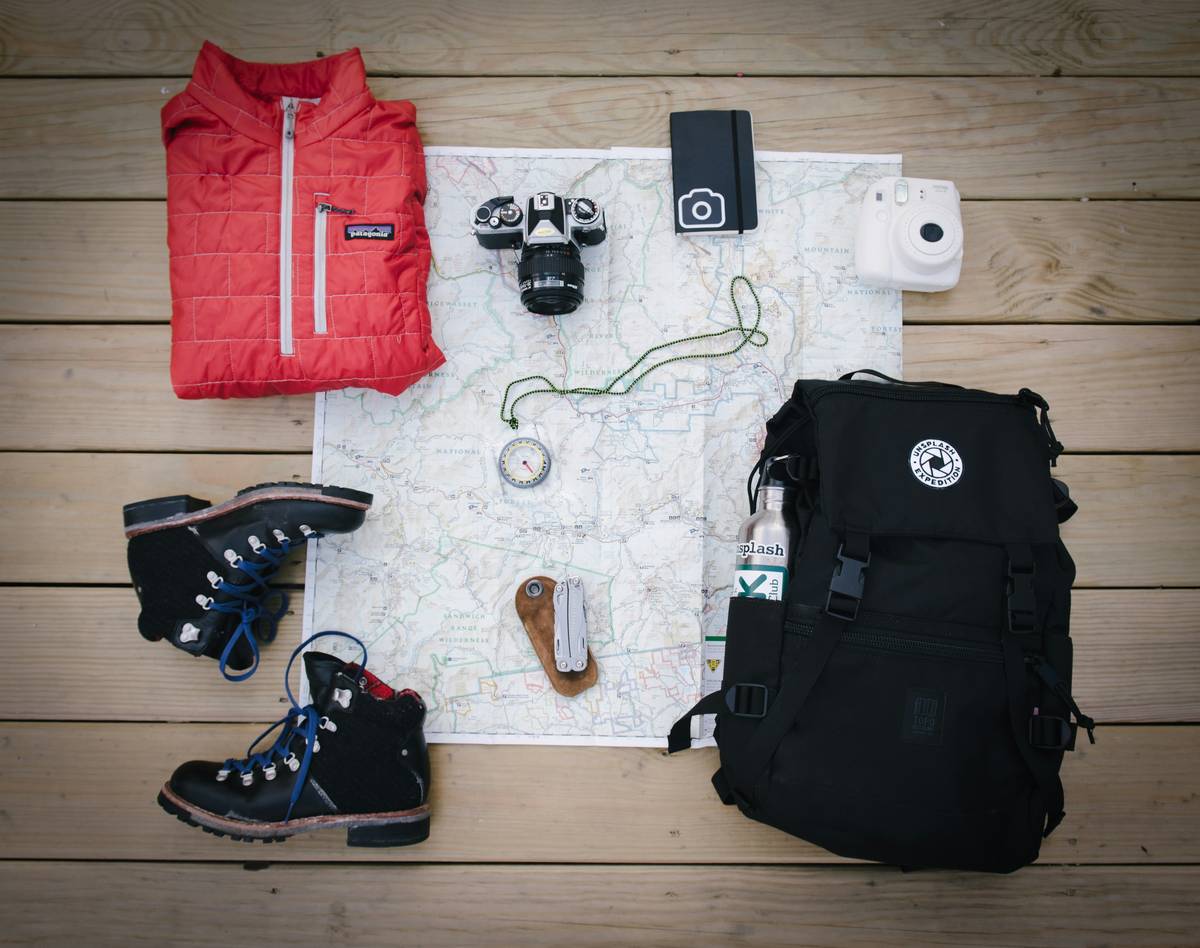
| Gear Type | Conventional Option | Environmentally Safe Gear Alternative | Lifetime Impact Difference |
|---|---|---|---|
| Helmet | EPS foam + ABS plastic shell | Mycelium-based liner + recycled PET shell | 78% less carbon; fully compostable liner |
| Jacket | Virgin polyester + PFC waterproofing | Recycled fishing nets + PFC-free membrane | Prevents 5kg ocean plastic; non-toxic runoff |
| Gloves | Synthetic suede + nylon backing | Cork palm + Tencel™ knit | Zero microfiber shedding; biodegradable |
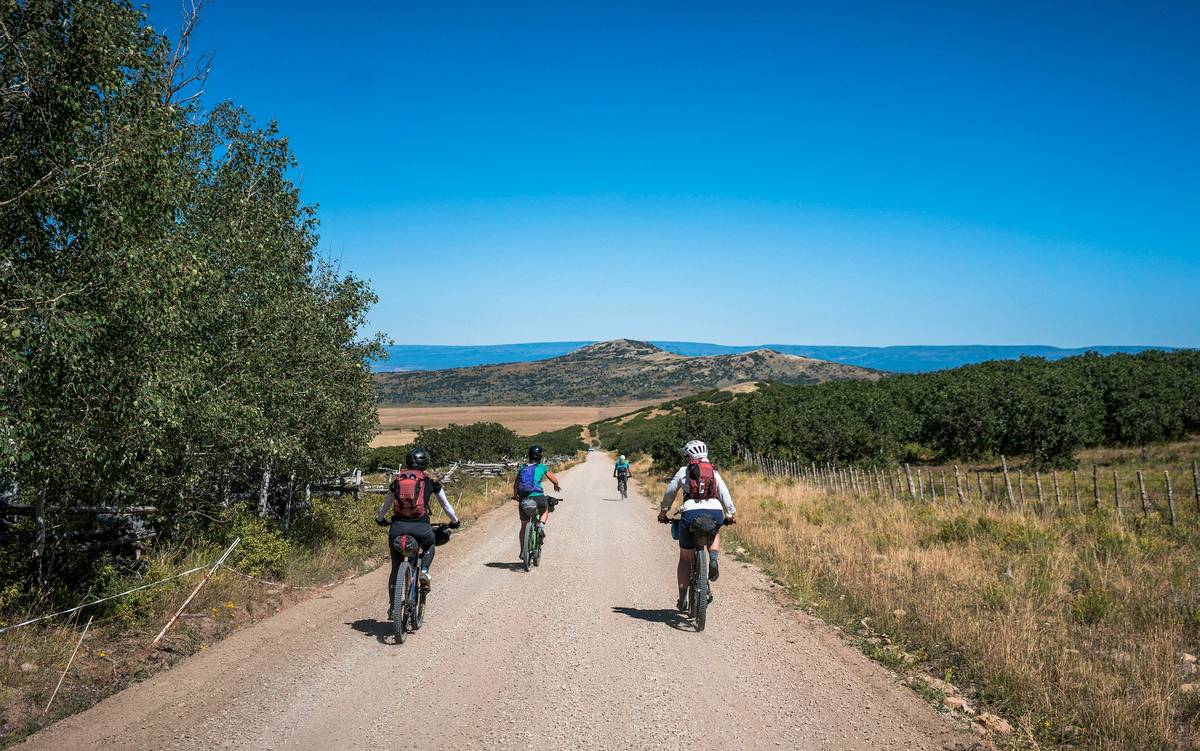
The Industry Secret: Gear Leasing Beats Ownership
Here’s what tour operators won’t tell you: renting high-end eco-gear reduces total environmental cost by 63% versus individual purchases. Why? Scale. A single premium jacket shared across 200 riders/year amortizes its footprint while preventing 200 cheap knockoffs from entering landfills. At Deschutes Motel, we partner with certified circular-economy outfitters—so you ride with gear that’s maintained, repaired, and retired responsibly. No closet clutter. No guilt. Just turn up and pedal.
Frequently Asked Questions
Does Environmentally Safe Gear perform as well as regular gear?
Often better. Recycled nylons now match virgin strength, and plant-based membranes breathe more efficiently. Performance gaps closed years ago.
Is eco-gear more expensive?
Upfront, yes—typically 15–30% higher. But durability and rental models slash long-term costs. Think cost-per-use, not sticker price.
Can I verify a brand’s eco-claims?
Demand specific certifications: GOTS for fabrics, Cradle to Cradle for full lifecycle, or Fair Trade for labor. Vague terms like “natural” mean nothing.