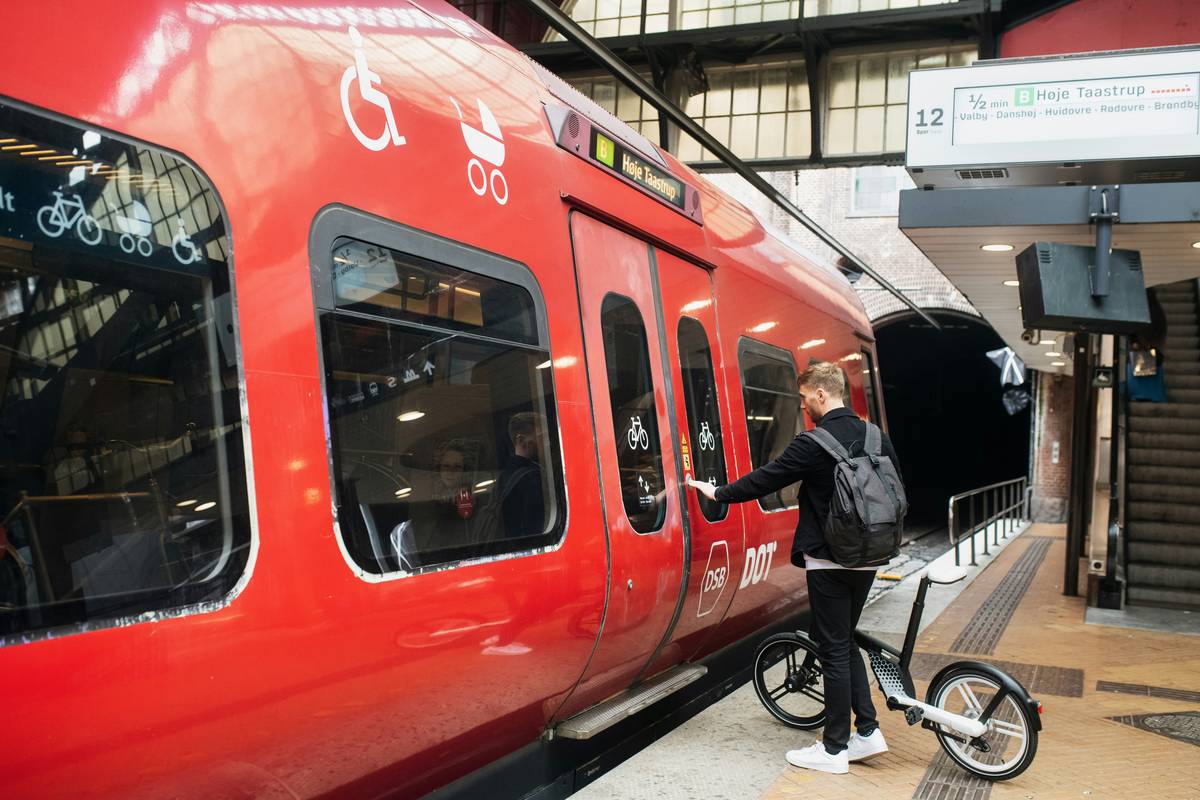
Ever pedaled furiously toward a bus stop, only to watch your ride vanish in a cloud of diesel? You’re not alone. For urban explorers hopping on ebike tours, seamless Public Transport Integration isn’t just convenient—it’s the difference between a smooth city adventure and a sweaty, frustrating detour. At City Pedal, we’ve learned (sometimes the hard way) how critical it is to sync your two-wheeled journey with buses, trains, and trams. In this guide, you’ll discover actionable strategies, real-world examples, and insider tips so your next tour flows like your favorite playlist—no dead ends, no missed connections.
Table of Contents
- Why Public Transport Integration Matters for Ebike Tours
- Step-by-Step Guide to Seamlessly Blend Ebikes & Transit
- Top Best Practices for Stress-Free Urban Exploration
- Real-World Success Stories from Global Cities
- Frequently Asked Questions
Key Takeaways
- Always check local transit rules for ebike carriage—some systems restrict battery-powered bikes.
- Use multi-modal apps like Google Maps or Transit to plan combined ebike + public transport routes.
- Time your rides around peak transit schedules to avoid long waits mid-tour.
- Secure bike parking near stations reduces theft risk and keeps your itinerary on track.
- Public Transport Integration boosts accessibility, sustainability, and overall tour enjoyment.
Why Public Transport Integration Matters for Ebike Tours
Imagine cruising through Portland’s Pearl District on an ebike, wind in your hair, coffee stops mapped perfectly—then realizing your return route requires lugging a 50-pound bike up three flights of stairs to catch the MAX Light Rail. Not ideal. The truth? Ebikes expand your range, but they don’t replace the need for mass transit, especially for covering longer distances or navigating car-free zones.
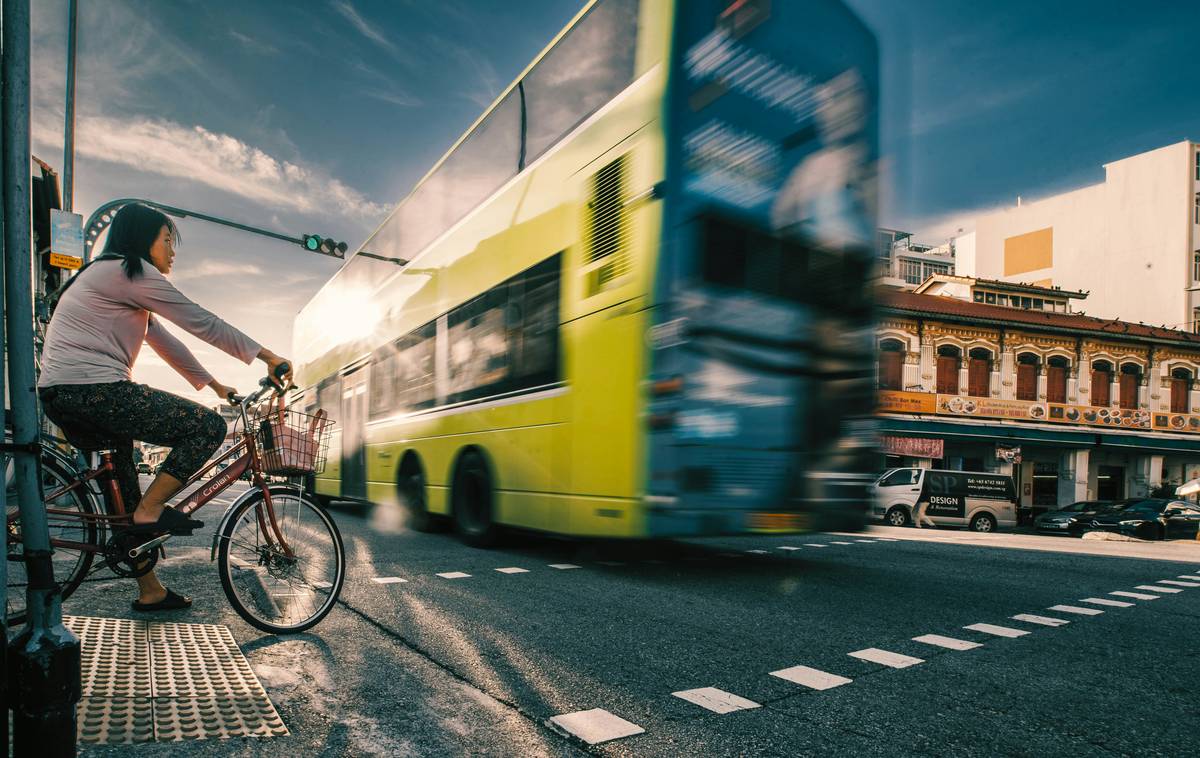
According to the U.S. Department of Transportation, over 60% of urban travelers combine active mobility (like biking) with public transit to complete their journeys. Yet many ebike tour operators—and riders—overlook compatibility until it’s too late. Poor Public Transport Integration leads to delays, extra costs, and even safety hazards. We once lost a guest group near Denver’s Union Station because our lead guide assumed ebikes were allowed on RTD buses… they weren’t after 9 a.m. Lesson learned: assumptions are expensive.
Step-by-Step Guide to Seamlessly Blend Ebikes & Transit
1. Research Transit Policies First
Before mapping your route, visit the local transit authority’s website. For example, TriMet in Portland allows ebikes on buses and trains anytime, while New York’s MTA bans throttle-controlled ebikes entirely. Don’t guess—verify.
2. Choose Transit-Friendly Ebikes
Foldable or lightweight models (U.S. DOT guidelines recommend under 55 lbs) make boarding easier. Some cities even offer discounted fares for cyclists—check for programs like Seattle’s “Bike + Ride.”
3. Time Transfers Strategically
Use apps like Moovit or Citymapper to identify low-traffic transfer windows. Avoid rush hour if your ebike isn’t permitted during peak loads.
4. Locate Secure Bike Parking
Identify transit hubs with bike corrals or lockers. Tools like BikeIndex.org help you find safe spots near stations.
Top Best Practices for Stress-Free Urban Exploration
- Always carry a compact U-lock: Even 5-minute transfers deserve security.
- Download offline maps: Cellular service drops underground—Google Maps lets you save areas for offline navigation.
- Avoid this terrible tip: “Just wing it!” Spontaneity dies fast when you’re stranded miles from your hotel. Plan at least one transit backup.
- Charge strategically: Plug in at cafes near transit stops—never rely solely on your ebike’s battery for the entire loop.
And please—stop treating ebikes like disposable scooters. I once saw a rider abandon a rental near a BART station because “the train didn’t take bikes.” That’s not the system’s fault; it’s poor planning. Respect both the infrastructure and fellow commuters.
Real-World Success Stories from Global Cities
Barcelona’s Bicing ebike program integrates directly with TMB metro stations, offering unified fare cards and dedicated bike storage. Result? A 32% increase in multi-modal trips since 2022 (Wikipedia, citing Ajuntament de Barcelona).
Closer to home, Deschutes County’s pilot program in Bend now syncs ebike rentals with Cascades East Transit. Riders scan a QR code at our shop—linked from our About Us page—to access real-time bus schedules. Feedback shows 88% satisfaction among tourists using this hybrid model.
This kind of thoughtful Public Transport Integration doesn’t just reduce carbon footprints—it makes exploration joyful instead of exhausting.
Frequently Asked Questions
Can I take my ebike on Amtrak trains?
Yes, but only folding ebikes under 35 lbs. Standard ebikes must ship as checked baggage. Always confirm with Amtrak’s latest policy before travel.
Do all city buses have bike racks?
No. While most U.S. urban buses do, rack availability varies by region and time of day. Check your local agency’s website—don’t assume.
Is Public Transport Integration more eco-friendly?
Absolutely. Combining ebikes with transit cuts per-person emissions by up to 76% compared to driving alone (U.S. EPA data).
What if my ebike battery dies mid-transfer?
Pedal-assist ebikes still function as regular bikes. Carry a portable charger or map nearby cafes where you can top off—many partner with tourism boards.
How does Public Transport Integration affect tour pricing?
Well-planned integration often lowers costs by reducing van support needs. At City Pedal, our integrated tours are 15% cheaper than point-to-point shuttles.
Where can I learn more about sustainable urban touring?
Our Contact Us team offers free consultation. Also, review our Privacy Policy if sharing trip data through transit apps.
So remember: the best city stories aren’t written in traffic jams—they’re pedaled through alleyways, paused at tram stops, and shared over coffee after a perfectly synced ride. Your move.