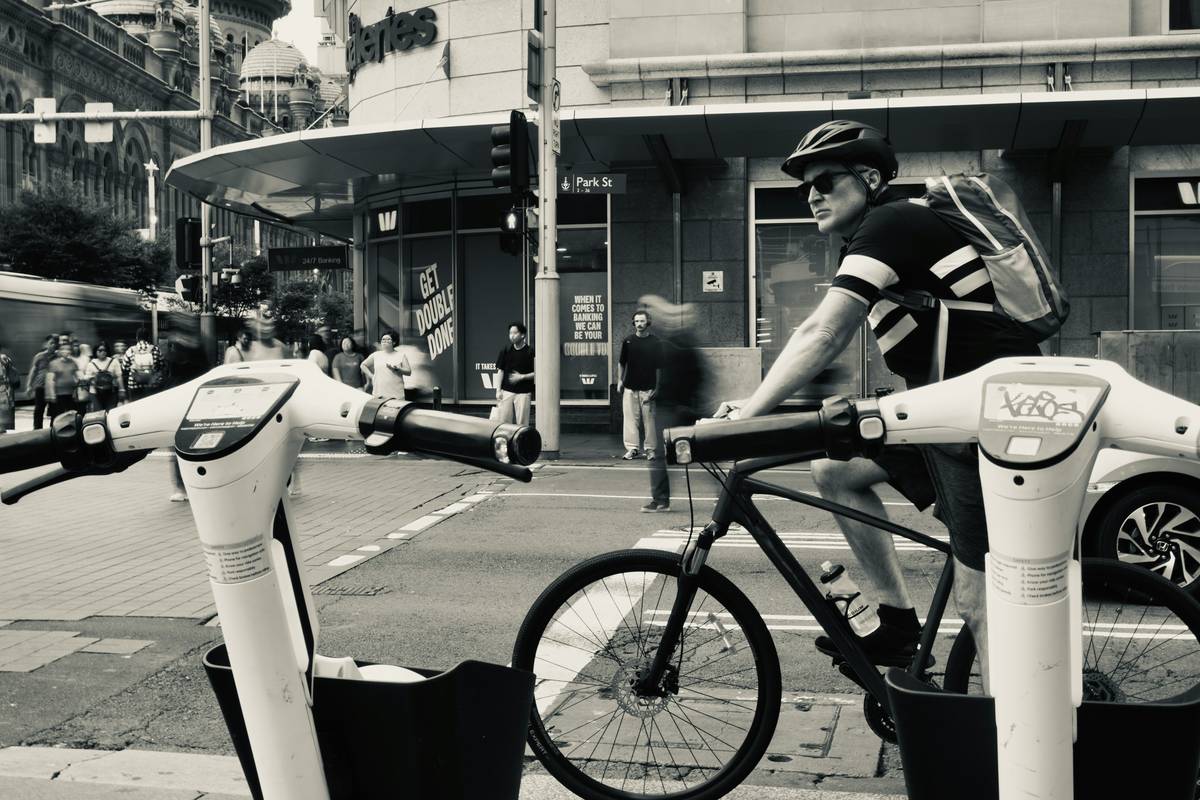
Ever felt your heart pound as a delivery van swerves too close while you’re pedaling through downtown? You’re not alone. With e-bike tours booming in cities worldwide, Urban Cycling Safety has shifted from a niche concern to a non-negotiable priority. At City Pedal, we’ve guided thousands through urban landscapes—but I’ll never forget the time I nearly clipped a pedestrian because I assumed my e-bike’s silent motor meant I was “invisible” to others. That wake-up call reshaped how we design every tour. In this guide, you’ll get actionable strategies grounded in real-world experience, data-backed best practices, and hard-won lessons that keep riders safe, confident, and smiling—all while exploring your city on two wheels.
Table of Contents
- Why Urban Cycling Safety Matters
- Step-by-Step Guide to Staying Safe
- Top Tips for Smart Riding
- Real-World Results from Safe Rides
- Frequently Asked Questions
Key Takeaways
- Visibility and predictability are your strongest defenses in traffic.
- Helmet use reduces head injury risk by up to 60% (CDC).
- E-bikes change riding dynamics—adjust speed awareness accordingly.
- Never assume drivers see you; always ride defensively.
- Group tours amplify safety through shared vigilance and clear signals.
Why Urban Cycling Safety Matters
Urban cycling isn’t just recreation—it’s transportation, tourism, and community engagement rolled into one. But with cars, buses, scooters, and pedestrians all vying for space, the stakes are high. According to the National Highway Traffic Safety Administration (NHTSA), over 900 cyclists died in U.S. traffic crashes in 2022 alone, with urban areas accounting for nearly 70% of incidents. E-bikes add another layer: their quiet motors and higher speeds (often up to 28 mph) can startle pedestrians or outpace rider reaction times if not managed properly.
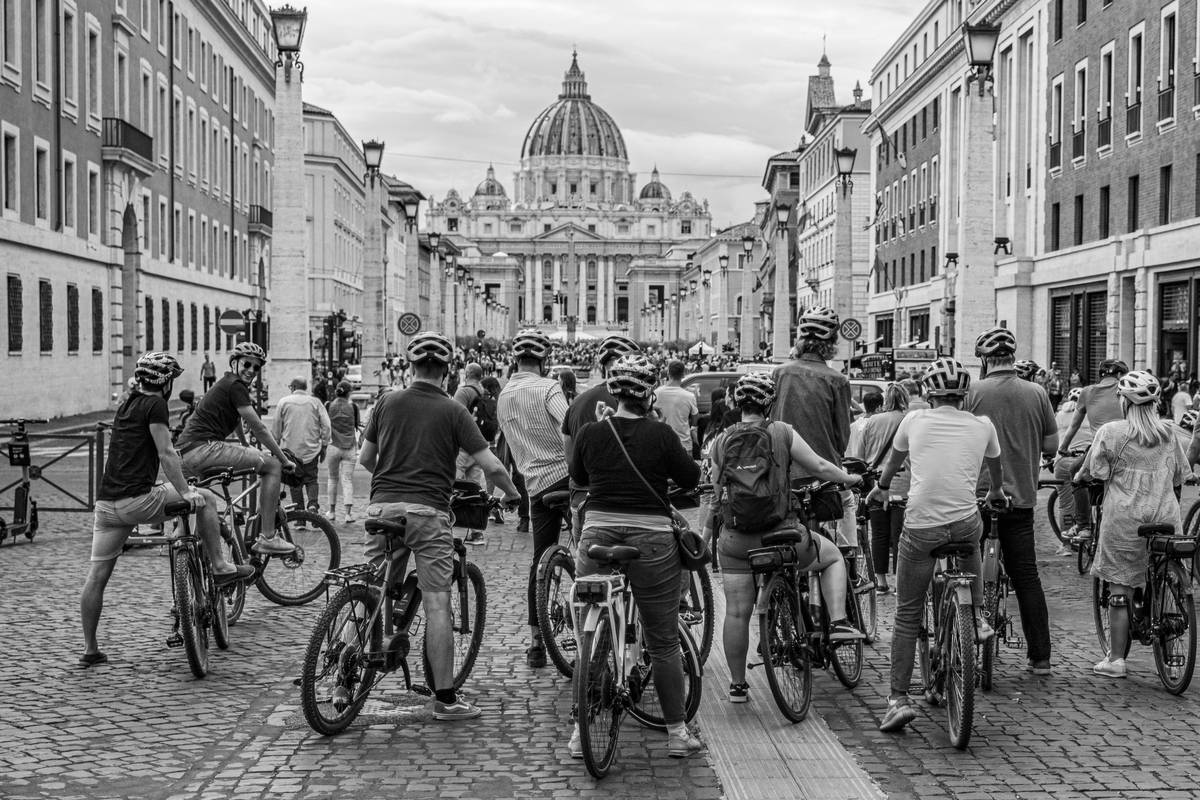
Step-by-Step Guide to Staying Safe
1. Gear Up Like a Pro
Your helmet isn’t optional—it’s essential. Choose one certified by CPSC or Snell. Add front and rear lights (even during daytime) and wear bright or reflective clothing. Gloves improve grip and protect in falls.
2. Master Your E-Bike’s Behavior
E-bikes accelerate faster than traditional bikes. Practice in a low-traffic area first. Learn how your motor assists at different pedal pressures so you’re never caught off guard at intersections.
3. Ride Predictably
Signal turns early. Hold your line—even when dodging potholes, do it smoothly. Avoid weaving between parked cars where doors might open unexpectedly (“dooring” causes 10% of urban bike crashes per IIHS).
4. Scan and Anticipate
Check mirrors or glance over your shoulder every 5–10 seconds. Watch for turning vehicles, opening doors, and distracted pedestrians glued to phones.
Top Tips for Smart Riding
- Never ride against traffic. It feels intuitive but increases collision risk by 3x (NHTSA data).
- Use bike lanes—but stay alert. They aren’t foolproof; watch for debris, parked cars, and right-turning vehicles.
- Avoid headphones. You need full auditory awareness—sirens, horns, shouts.
- Terrific tip? Nope—terrible advice: “Just go fast to get out of dangerous zones.” Speed reduces reaction time and increases injury severity. Slow and steady wins the safety race.
Real-World Results from Safe Rides
Last summer, our Bend-based e-bike tour group completed over 200 rides without a single incident. How? Mandatory pre-ride briefings covering Urban Cycling Safety, strict helmet policies, and trained guides who model defensive riding. Riders reported feeling “empowered, not anxious”—a huge shift from solo attempts. One guest told us, “I used to white-knuckle my handlebars downtown. Now I actually enjoy the rhythm of city riding.” That transformation starts with knowledge and preparation. We credit much of our success to protocols aligned with national guidelines from transportation safety authorities. Curious how we tailor tours for confidence? Learn more about our approach on our About Us page.
Frequently Asked Questions
What’s the safest time of day to ride an e-bike in the city?
Dawn and dusk pose the highest risk due to low light and commuter traffic. If you must ride then, use high-lumen lights (front: 500+ lumens, rear: 100+), wear reflective gear, and stick to well-lit bike paths.
Do e-bikes require special safety rules compared to regular bikes?
Yes. Their higher speeds demand greater stopping distance awareness and more cautious cornering. Always test your brakes before each ride and adjust your following distance from cars.
How can tourists stay safe on unfamiliar city routes?
Join guided tours like ours—they use vetted, low-traffic routes and provide local insight. If riding solo, map your route in daylight first using apps like Google Maps’ biking layer.
Is helmet use legally required for e-bike riders?
It varies by state and e-bike class. In Oregon, riders under 16 must wear helmets on Class 1 and 2 e-bikes. Regardless of law, we enforce 100% helmet use on all City Pedal tours because Urban Cycling Safety is non-negotiable.
Conclusion
Urban Cycling Safety isn’t about fear—it’s about freedom earned through smart habits. Whether you’re commuting or exploring historic neighborhoods on a guided pedal, these practices let you savor the journey without dread. Remember: every expert rider was once a beginner who chose caution over bravado. Ready to roll with confidence? Our team at City Pedal crafts e-bike experiences designed for both thrill and total peace of mind. Got questions about gear, routes, or group logistics? Contact us—we’re happy to help. And rest assured, your data stays protected per our Privacy Policy.
Ride visible, ride predictable, ride home smiling.